- calendar_today August 5, 2025
As the national real estate market moves into a phase of stabilization, Pennsylvania’s luxury housing segment is entering 2025 with a renewed sense of direction. Following a year marked by economic adjustment, evolving buyer habits, and a shift in lifestyle preferences, the state’s upscale property market is increasingly defined by quality, innovation, and selectivity.
From the historic Main Line suburbs of Philadelphia to Pittsburgh’s modern riverfront condos and the quiet estates of the Lehigh Valley, luxury buyers in Pennsylvania are approaching the market with strategic intent. Tech integration, wellness-driven living, and long-term value have replaced raw square footage and opulence as the new measures of prestige.
Let’s explore six pivotal trends shaping Pennsylvania’s luxury housing market in the year ahead.
Reflecting on 2024: Strength Through Adaptation
Despite inflationary pressures and rising interest rates in 2024, Pennsylvania’s luxury market — defined as the top 5–10% of listings by price — proved resilient. According to CoreLogic and Redfin data, high-end homes in Pennsylvania appreciated by nearly 4% on average.
Demand held steady in high-profile areas like Philadelphia’s Rittenhouse Square, Chestnut Hill, and Sewickley near Pittsburgh. Low inventory and buyer interest in move-in-ready, well-located homes supported a competitive sales environment. Buyers increasingly leaned on cash transactions and sought properties with long-term investment potential.
1. Home Prices to Hold or Inch Up Modestly
Heading into 2025, the consensus among real estate analysts is that prices in Pennsylvania’s top-tier markets will stabilize or rise slightly. With inflation showing signs of cooling and potential interest rate cuts anticipated later this year, affluent buyers — particularly those using cash — are expected to remain active.
In premium zip codes around Philadelphia and Pittsburgh, modest price growth in the 1%–3% range is forecasted. Homes offering turnkey finishes, energy efficiency, and smart-home technology are expected to fetch higher premiums than outdated or under-maintained listings.
2. International Interest Set to Reignite
While not traditionally a magnet for international buyers like coastal hubs, Pennsylvania is now attracting foreign attention thanks to its relative affordability, quality healthcare institutions, and cultural depth.
In 2025, investors from Canada, China, and parts of Europe are increasingly looking to university-adjacent areas like University City in Philadelphia, or to stable rental markets in Pittsburgh. According to the National Association of Realtors, international investment in U.S. residential real estate rose 12% in Q1 2025 — a trend Pennsylvania markets are beginning to feel.
3. Secondary Cities and Suburbs Take Center Stage
Luxury isn’t confined to Pennsylvania’s urban cores. Upscale suburban markets such as Lower Merion Township, New Hope, and Mechanicsburg are drawing attention for their space, charm, and access to top-tier schools. These areas appeal to high-income professionals seeking a blend of tranquility and connectivity.
This migration reflects a broader national pattern: affluent buyers — especially millennials and Gen Xers — are seeking locations that support remote or hybrid work lifestyles while offering cultural and recreational amenities.
4. Smart Homes and Wellness Design Are the New Norm
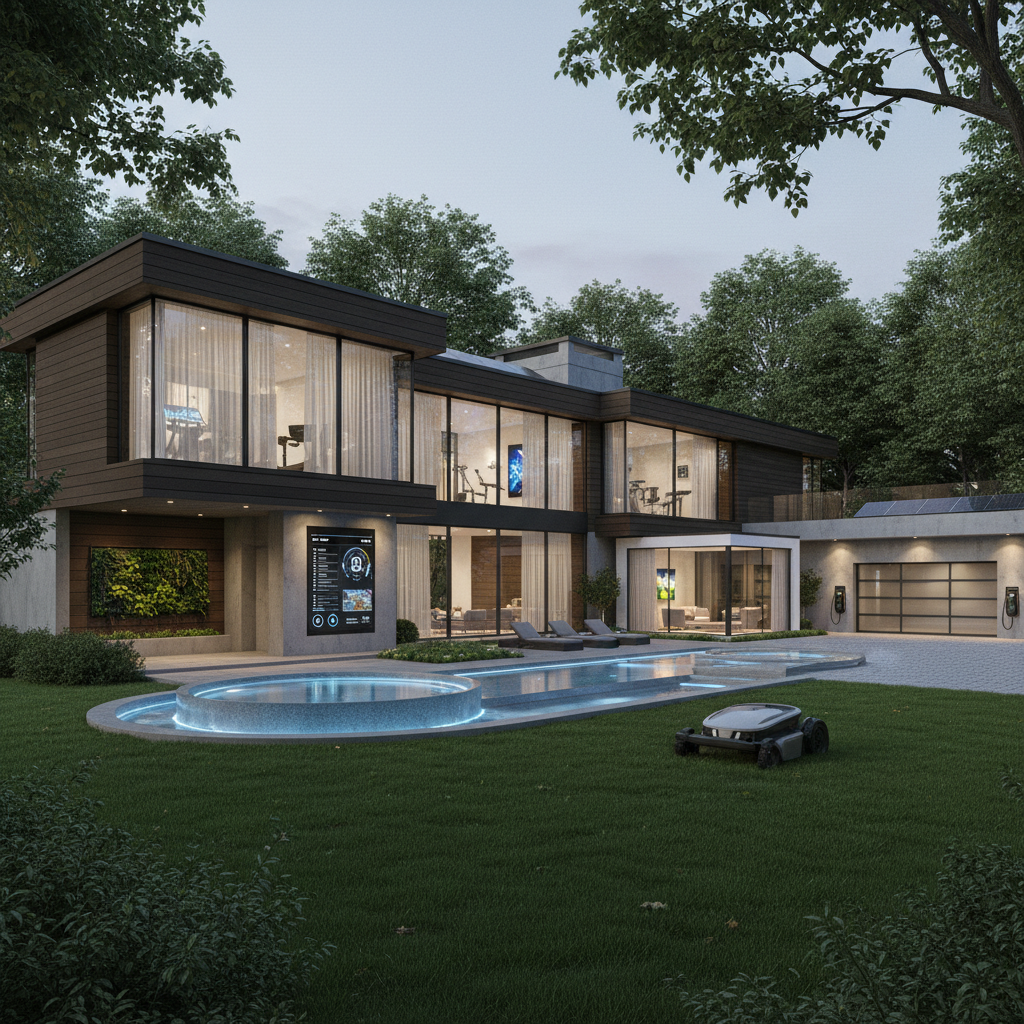
In Pennsylvania’s upscale market, home automation and wellness-centered design are fast becoming standard rather than added perks. Buyers now expect AI-powered systems for lighting, heating, and security, along with intuitive controls that enhance daily living.
Similarly, wellness features — such as HEPA air filtration, spa-like bathrooms, meditation spaces, and home gyms — are influencing buying decisions. According to Realtor.com, 67% of U.S. luxury homebuyers in 2025 consider wellness features among their top five priorities. Pennsylvania developers and sellers are adapting accordingly.
5. Limited Inventory in Prestigious Neighborhoods Persists
Supply remains a pressing concern, particularly in legacy neighborhoods like Philadelphia’s Society Hill and Pittsburgh’s Shadyside. Strict zoning, construction delays, and a shortage of skilled labor have slowed new development.
High-end homeowners are also holding onto properties longer, reducing turnover. As a result, competitive bidding and off-market deals are becoming more frequent, especially for homes priced above $2 million. The most sought-after listings rarely make it to public market before being snatched up by cash-ready buyers.
6. The Rise of High-End Rentals
An emerging trend in 2025 is the uptick in demand for luxury rentals across Pennsylvania’s major cities. Executives, relocating professionals, and even affluent university affiliates are choosing to rent high-end units rather than commit to a purchase.
In Pittsburgh, monthly rentals in new riverfront developments now exceed $10,000, while downtown Philadelphia is seeing a boom in short-term luxury leases. This rental demand is fueling investor interest in luxury multifamily projects, particularly in areas with strong healthcare, tech, or academic sectors.
Strategic Moves for Stakeholders in 2025
Whether buying, selling, or developing in Pennsylvania’s high-end housing market, the message in 2025 is clear: success hinges on preparation and understanding evolving preferences. Buyers should be swift and informed. Sellers need to invest in technology and wellness upgrades to stand out. Developers should prioritize projects that offer exclusivity, sustainability, and smart integration.
Real estate professionals who can read these signals — and tailor experiences accordingly — will be best positioned to thrive.
Premium Living Redefined
Pennsylvania’s luxury market isn’t booming in numbers, but it is maturing in quality. The shift toward wellness, efficiency, and technological sophistication is defining a new chapter in upscale living. For those engaged in this market in 2025, the key to success lies not in over-expansion, but in offering meaningful, tailored value.