
- calendar_today August 10, 2025
In 2025, U.S. tariff policies have introduced significant volatility to the global markets, and Pennsylvania—one of the largest manufacturing and agricultural hubs in the U.S.—is feeling the impact. The U.S. government’s decision to impose tariffs as high as 104% on Chinese imports and 25% on automobile imports from various countries is reshaping the investment landscape, causing ripple effects across sectors critical to Pennsylvania’s economy.
On April 3, 2025, the announcement of these tariffs sent shockwaves through global markets. Within hours, the Dow Jones had fallen by over 2,200 points, while the S&P 500 dropped nearly 10%. For investors in Pennsylvania, this means adapting to the new reality of rising costs, potential supply chain disruptions, and ongoing uncertainty.
In this article, we’ll explore the effects of these tariffs on Pennsylvania’s economy, the sectors most affected, and strategies for local investors to adjust their portfolios.
The Economic Impact of Tariffs on Pennsylvania’s Key Sectors
Pennsylvania’s economy is deeply intertwined with several industries, including manufacturing, agriculture, and energy production. Each of these sectors has felt the strain of the tariffs imposed by the U.S. government in 2025.
Manufacturing
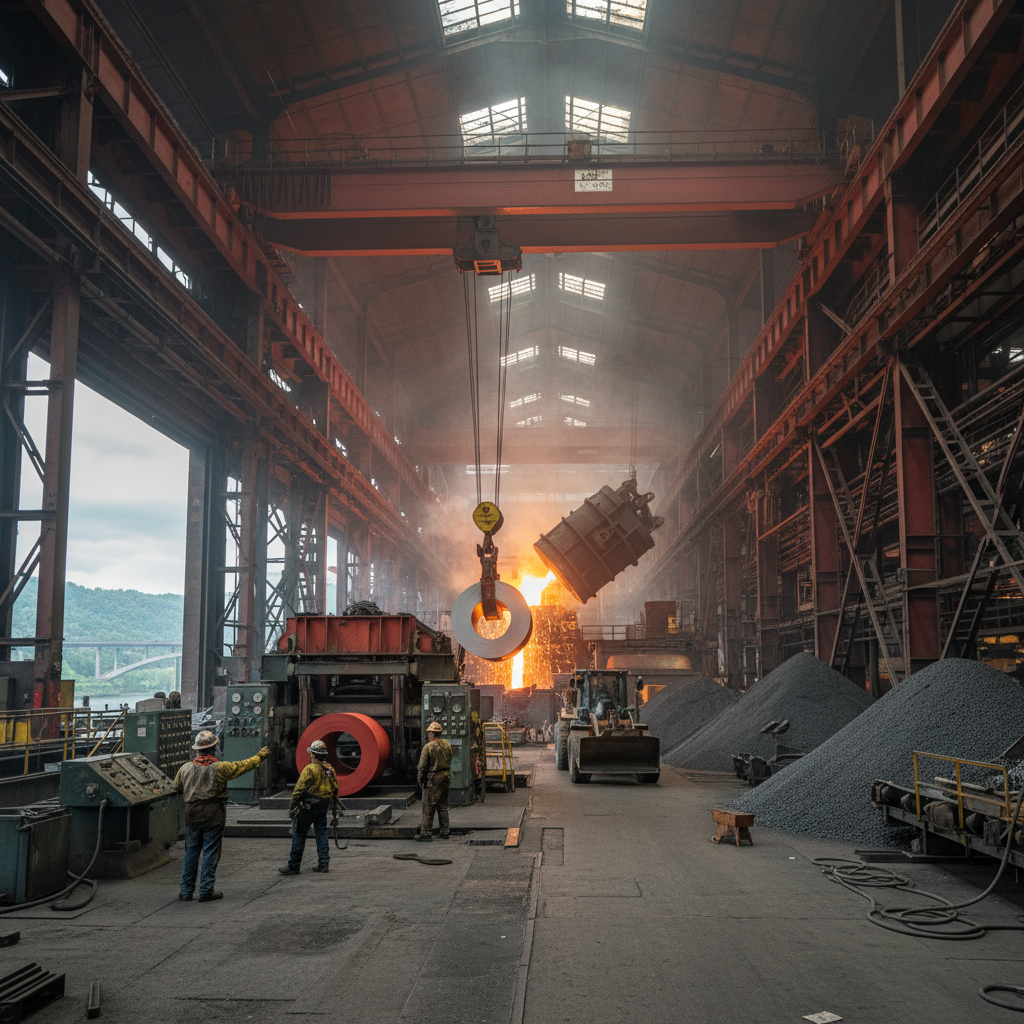
As one of the largest manufacturing states in the U.S., Pennsylvania is home to a wide range of industries, from steel production to machinery and electronics. Tariffs have affected Pennsylvania’s manufacturing sector in several ways.
For example, companies like ArcelorMittal, which has a significant presence in Pennsylvania’s steel industry, are facing higher input costs due to the 25% tariff on foreign-made automotive parts and raw materials. These costs are being passed on to consumers and businesses, potentially slowing growth and increasing inflation.
Moreover, the 104% tariff on Chinese goods is affecting manufacturers who rely on Chinese parts and components. As companies reevaluate their supply chains, some are considering reshoring production to avoid higher costs associated with foreign imports. While reshoring could benefit domestic manufacturing in the long run, it often comes at a higher price, leading to questions about the feasibility of such moves for many businesses in Pennsylvania.
Agriculture and Raw Materials
Pennsylvania is also a major agricultural producer, particularly in crops such as corn, soybeans, and dairy. The tariffs imposed on U.S. agricultural exports, particularly the 34% tariff from China, are having a direct impact on the state’s farmers. Pennsylvania’s agricultural community, already facing market volatility, now struggles with reduced demand for products like soybeans, corn, and pork.
According to the U.S. Department of Agriculture, agricultural exports are projected to reach $170.5 billion for FY2025—slightly higher than in 2024 but still far below previous forecasts. For Pennsylvania’s farmers, this means slower growth and financial challenges. This is particularly concerning for farmers in rural areas who rely heavily on international trade.
Automotive and Consumer Goods
The automotive industry is another key player in Pennsylvania’s economy, with several manufacturing plants producing vehicles and parts. The 25% tariff on foreign automobiles has created a slowdown in car sales and manufacturing. According to AutoForecast Solutions, car sales in the U.S. are expected to drop by 2 million units this year, and Pennsylvania-based auto manufacturers like Ford and General Motors are reconsidering production strategies in response to this shift.
For investors in Pennsylvania’s consumer goods sector, the 25% tariff on imported consumer goods is raising prices and affecting consumer demand. High tariffs on items like smartphones, clothing, and electronics could lead to higher costs for consumers, which may in turn reduce discretionary spending.
What Pennsylvania Investors Should Do
With the tariff-induced volatility affecting various sectors, investors in Pennsylvania should take proactive measures to adjust their portfolios:
- Diversify Across Sectors
Exposure to industries heavily dependent on global supply chains, such as technology, automotive, and agriculture, should be reduced. Instead, focus on sectors that are more insulated from tariff risks, such as infrastructure, healthcare, and renewable energy. These industries are likely to experience stable growth regardless of trade tensions. - Consider Safe-Haven Assets
In times of heightened uncertainty, investors often seek out safe-haven assets. Gold, real estate investment trusts (REITs), and inflation-protected securities are likely to perform well as investors look for stability amid market volatility. - Monitor Reshoring and Domestic Manufacturing Trends
Companies in Pennsylvania and across the U.S. are reconsidering their production strategies in light of tariff pressures. Investors should keep an eye on industries that benefit from reshoring initiatives, as domestic manufacturing could become more competitive. Sectors like steel, machinery, and renewable energy may see growth as a result. - Stay Informed and Flexible
Given the rapidly changing nature of trade policy, it is crucial for investors to stay informed about tariff updates, trade negotiations, and economic reports. Adjusting investment strategies based on evolving conditions will help minimize risk and capture emerging opportunities.
Opportunities Amid Tariff Uncertainty
In the short term, the U.S. tariffs on Chinese imports and foreign goods are creating a period of economic strain. However, in the long term, these tariffs could lead to a resurgence in domestic manufacturing and a more self-reliant economy. For Pennsylvania, this could result in new opportunities, particularly for industries focused on reshoring and innovation in clean energy and technology.
For Pennsylvania’s investors, the ability to adapt to changing trade policies and economic conditions will be crucial. By diversifying their portfolios, focusing on resilient sectors, and staying informed about market shifts, investors can weather the current volatility and position themselves for growth in the coming years.