
- calendar_today August 14, 2025
Pennsylvania’s real estate market in 2025 is defined by a push toward stability amid economic normalization. While interest rates are no longer climbing aggressively, investor sentiment remains cautious. After enduring years of economic uncertainty and shifting migration patterns, buyers and developers in the Keystone State are placing increased value on income durability, market fundamentals, and demographic alignment.
So where are real estate investors focusing in Pennsylvania? Seven key property types are drawing consistent attention across cities like Philadelphia, Pittsburgh, Allentown, and Harrisburg. These sectors are not only weathering economic shifts—they’re adapting to local realities and long-term trends.
Multifamily Housing: The Reliable Performer
In Pennsylvania, multifamily properties are a cornerstone of rental housing—especially in urban centers like Philadelphia and Pittsburgh. High mortgage rates and limited first-time buyer affordability have kept renters in place longer, creating opportunity for owners of Class B and C apartment buildings.
Neighborhoods in West Philadelphia, East Liberty, and South Side Flats are seeing low vacancy rates and steady rent growth. In secondary markets like Lancaster and Erie, mid-rise apartment developments and build-to-rent housing are gaining popularity. With stable demand and reliable income potential, investors continue to target these buildings for modest upgrades and professional management that deliver 3%+ annual rent increases, even in mature markets.
Industrial Properties: Still a Growth Engine
Pennsylvania’s geography makes it a prime hub for industrial logistics and warehousing. From Lehigh Valley to Scranton/Wilkes-Barre, industrial space remains in high demand. The I-78 and I-81 corridors serve as critical distribution links between the Northeast and Midwest, drawing interest from national retailers, logistics firms, and e-commerce giants.
JLL’s 2025 data shows industrial vacancy in Pennsylvania at under 4.5%, with rents climbing 6–7% year-over-year in key submarkets. Cold storage, last-mile delivery hubs, and flex-use warehouses in places like York and Bethlehem are especially hot. With AI and robotics transforming supply chain infrastructure, institutional capital is increasingly flowing into Pennsylvania’s industrial backbone.
Single-Family Rentals in Suburban Markets
As more families look for space without the commitment of homeownership, Pennsylvania’s suburban markets have seen rising interest in single-family rentals (SFRs). Areas surrounding Philadelphia—such as Montgomery County, Chester County, and Bucks County—are seeing demand for detached rentals with flexible leases.
According to Roofstock’s 2025 Investor Sentiment Index, a growing number of investors are expanding their SFR portfolios across Pennsylvania. Suburbs of Pittsburgh and Harrisburg, especially those near tech parks and high-performing school districts, offer dependable tenants and comparatively low vacancy. With working families prioritizing quality of life, SFRs offer a balance of stability and long-term appreciation potential.
Regional Migration: Urban Core to Affordable Hubs
Pennsylvania’s internal migration patterns show a shift from major metros to smaller, more affordable cities and towns. While Philadelphia and Pittsburgh remain important job centers, residents are increasingly relocating to places like Lancaster, Reading, and York—drawn by lower housing costs and more manageable lifestyles.
At the same time, the revival of Rust Belt cities like Erie and Scranton is gaining investor interest. Manufacturing, logistics, and education are helping revitalize these regions, supported by infrastructure investments and affordable real estate prices. Developers following this trend are building residential and retail properties near new job hubs and transportation corridors.
Mixed-Use Developments & Downtown Revival
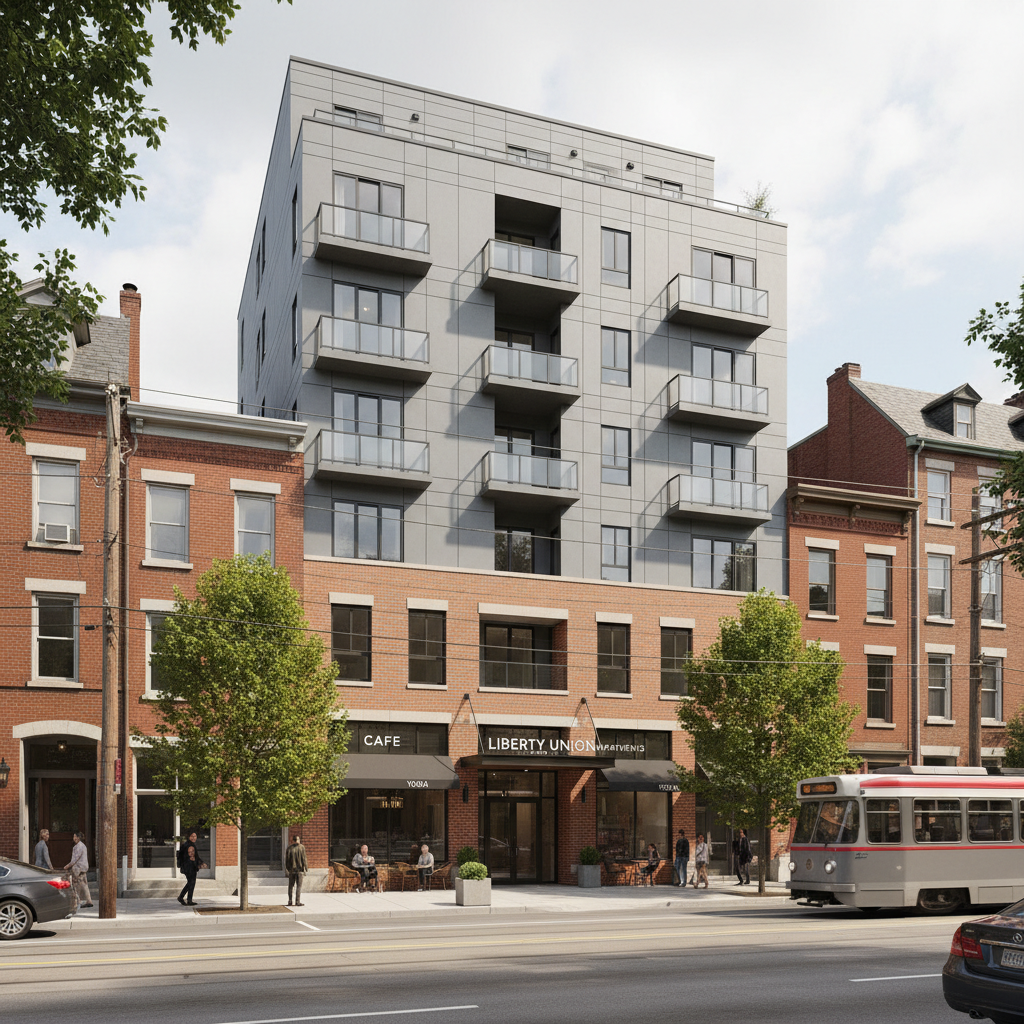
Downtown revitalization is making a comeback in Pennsylvania’s mid-sized cities. From Allentown to Harrisburg to Bethlehem, mixed-use projects that combine residential, retail, and office or coworking spaces are reshaping local economies. Younger tenants and professionals are drawn to these live-work-play neighborhoods with walkability and on-site amenities.
Even smaller downtowns—like those in Easton or Lancaster—are seeing adaptive reuse of old factories and office buildings into vibrant residential complexes. Despite zoning and permitting challenges, developers who take a long-term view are finding that mixed-use assets deliver solid returns when well-located and community-driven.
Niche Assets on the Rise: Senior & Student Housing
Pennsylvania’s senior housing sector is growing rapidly, particularly in the central and southeastern parts of the state. Aging populations in regions like Dauphin, Chester, and Lackawanna counties are increasing demand for independent living, assisted living, and memory care communities. Occupancy rates are trending upward, especially in areas with nearby healthcare infrastructure and recreational amenities.
Meanwhile, student housing remains a strong play near institutions such as Penn State, Temple University, and University of Pittsburgh. In towns like State College and Bethlehem, pre-leasing is reaching 90% or more as students return to campus life. High-speed internet, furnished units, and shared social spaces are expected in new developments, with modern amenities distinguishing high-performing student properties.
Risk Factors and Investment Cautions
Despite its opportunities, real estate investment in Pennsylvania carries localized risks. Flood zones, especially in river-adjacent cities like Harrisburg and Wilkes-Barre, are pushing up insurance premiums. Maintenance costs for older buildings, particularly in legacy industrial cities, must be factored into underwriting models.
Regulatory risk is lower than in heavily legislated states, but investors in Philadelphia must still navigate tenant protection laws, rent caps on some subsidized units, and short-term rental regulations. As always, a clear understanding of municipal codes and local market conditions is essential.
Interest rates—though easing—remain above pre-2022 norms. For Pennsylvania investors, this means financing costs can still pressure yields, especially in value-add projects. Conservative underwriting and a diversified portfolio approach remain smart strategies.
Expert Insight: What the Analysts Say
“Pennsylvania continues to draw investment across core and secondary markets, particularly in logistics and workforce housing,” says Lauren Bellingham, senior economist with CBRE. “But success here hinges on understanding the nuances—every submarket behaves differently.”
Redfin’s 2025 Housing Trends report echoes that sentiment. It highlights that affordability, local employment dynamics, and intra-state migration are the key forces shaping Pennsylvania real estate. Understanding county-by-county demographic and economic shifts is key to informed decision-making.
Strategic Diversification is Key in 2025
In 2025, Pennsylvania real estate investors are playing to the state’s strengths—affordable housing, strategic location, and a diversified economy. Multifamily remains a stable anchor, while industrial growth continues across eastern and central corridors. Suburban SFRs are thriving in family-friendly communities, and student and senior housing assets are gaining new momentum.
Mixed-use developments and smaller market revivals are offering strong long-term potential to developers with vision and patience. The divide between high-demand areas and underperforming ones is widening, making precision in location selection more critical than ever.
Investors who take a diversified, data-driven approach in Pennsylvania—tailored to regional demand and infrastructure—are best positioned to outperform in a market that rewards local knowledge and long-term vision.