
- calendar_today August 23, 2025
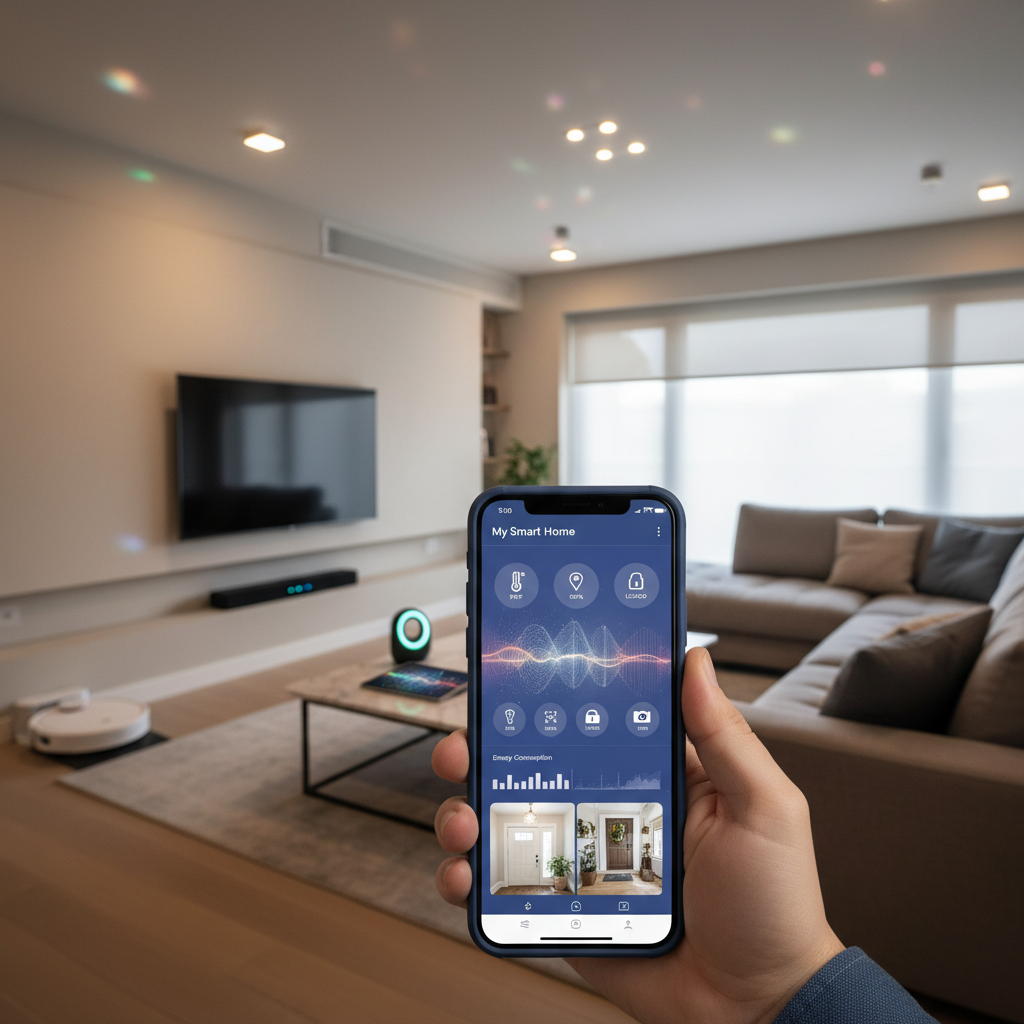
Google aims to establish a new direction for its smart home environment while marking the Google Home app with notable advancements. Google integrates Nest devices into the Home app while simultaneously working on a comprehensive redesign to make user interaction smoother and more intuitive. The transformation relies on the deeper integration of Gemini AI throughout the system to deliver intelligent automation and intuitive control for connected homes. The Home API now supports third-party devices while advancements together create a foundation for a proactive smart home experience that functions as a single unified system.
Through the Google Home app, users can control a variety of devices including both Google’s cameras, thermostats, and smoke detectors as well as an expanding range of third-party smart gadgets. It has been feasible to support mixed device environments but the management complexity of various devices frequently presents significant challenges. Google asserts that artificial intelligence technology, especially Gemini, will transform smart home systems into more intuitive platforms for users.
Google initiated the development of its AI-powered smart home system last year through preliminary Gemini integration tests with Google Home. Google is currently extending Gemini’s reach by enabling its functionalities across more third-party gadgets through the Home API. This development represents an essential move toward achieving complete interoperability for smart home systems. Before general availability, Google teamed up with selected partners to integrate their devices. The recently unveiled First Alert smoke/carbon monoxide detector and Yale smart lock are now benefiting from deeper integration as replacements for Google’s discontinued Nest devices. The pioneering partners such as Cync Lighting, Motorola Tags, and iRobot vacuums show their dedication to integrating diverse smart home technologies.
The main feature of the Gemini expansion is its ability to transform smart home automation systems. The Labs program at Google has evolved these functions which enable users to design intricate routines through conversational AI with exceptional simplicity. By phrasing requests to Gemini like “Remind me about package deliveries” or “Detect unwanted animals in my garden” users get automated setups without needing to go through complex menu navigation. Through natural language interaction smart home automation becomes available to more people while eliminating the need for technical expertise. The extension of Gemini’s support to the automation API will allow a wider assortment of smart home devices to connect to Gemini which will help it provide smarter and more detailed automated task suggestions. Google plans to expand Gemini’s functionality by introducing additional triggers that respond to real-world conditions like specific dates and weather patterns which will enhance the sophistication and relevance of home automation systems.
The intricate systems of contemporary smart home networks frequently make it difficult to grasp exactly what activities are occurring inside the residence. Google Home’s “favorites” page simplifies some tasks and Google now unveils a new tool to deliver more straightforward insights instantly. The Home Summary Widget provides real-time updates about your smart home status through a widget on your Android device. The widget actively alerts users to the delivery of packages at their doorstep and informs them when they have accidentally left their lights turned on. Users can achieve peace of mind and better home management through this straightforward informational display.
The Home Summary Widget currently exists in a testing phase on a select range of Pixel devices. The Home Summary Widget will soon expand its availability through Google’s Labs program to reach more users who will then benefit from it and offer feedback. Google remains reserved about announcing any public release dates while keeping to its current cautious strategy. The company’s cautious methodology shows their dedication to thorough testing and continuous improvement before expanding deployment.
Developers interested in examining these new APIs and supporting Google Home’s growth should definitely subscribe to Google’s smart home developer newsletter. Developers will receive ongoing information and prompt announcements when the early access program begins for these promising new features later in the year. The message is clear: Google is enhancing its smart home solutions while simultaneously calling on developers to help create intelligent living solutions of the future. Under Gemini’s leadership and with an enhanced emphasis on open standards Google Home stands ready to provide users with an improved intuitive and automated smart home experience.