
- calendar_today August 24, 2025
In 2025, the historic textile industry of Pennsylvania is struggling with a problem it hasn’t confronted in years — world cotton shortages and increasing uncertainty surrounding the Generalized System of Preferences Plus (GSP+) trade program. With cotton production declining in some exporting nations, trade benefits linked to GSP+ have begun to ripple through the Keystone State.
For numerous small and medium-sized textile companies in Pennsylvania, particularly in urban centers such as Philadelphia, Allentown, and Scranton, the cotton crisis is causing a headache. From increased cost of materials to logistics delay and possible tariffs, the sector is preparing itself for a bumpy experience.
The Global Cotton Problem
The problem starts well beyond Pennsylvania’s borders. A number of nations that provide cotton or cotton-based goods to the U.S. are having trouble keeping production going. Droughts, soil erosion, rising labor prices, and restrictive environmental regulations are all raising havoc in countries such as Pakistan, India, and portions of Africa.
These are among the nations included in the GSP+ program that enables them to export some commodities, including textiles, to the U.S. with minimal or no tariffs. To be eligible, though, these nations have to abide by criteria for labor rights, sustainability, and human rights. With the reduction of the supply of cotton and concerns over agricultural practices, some of these nations are now facing the loss of their GSP+ status.
That leaves American importers — and the textile industry in Pennsylvania — with a problem.
Why GSP+ is important to Pennsylvania
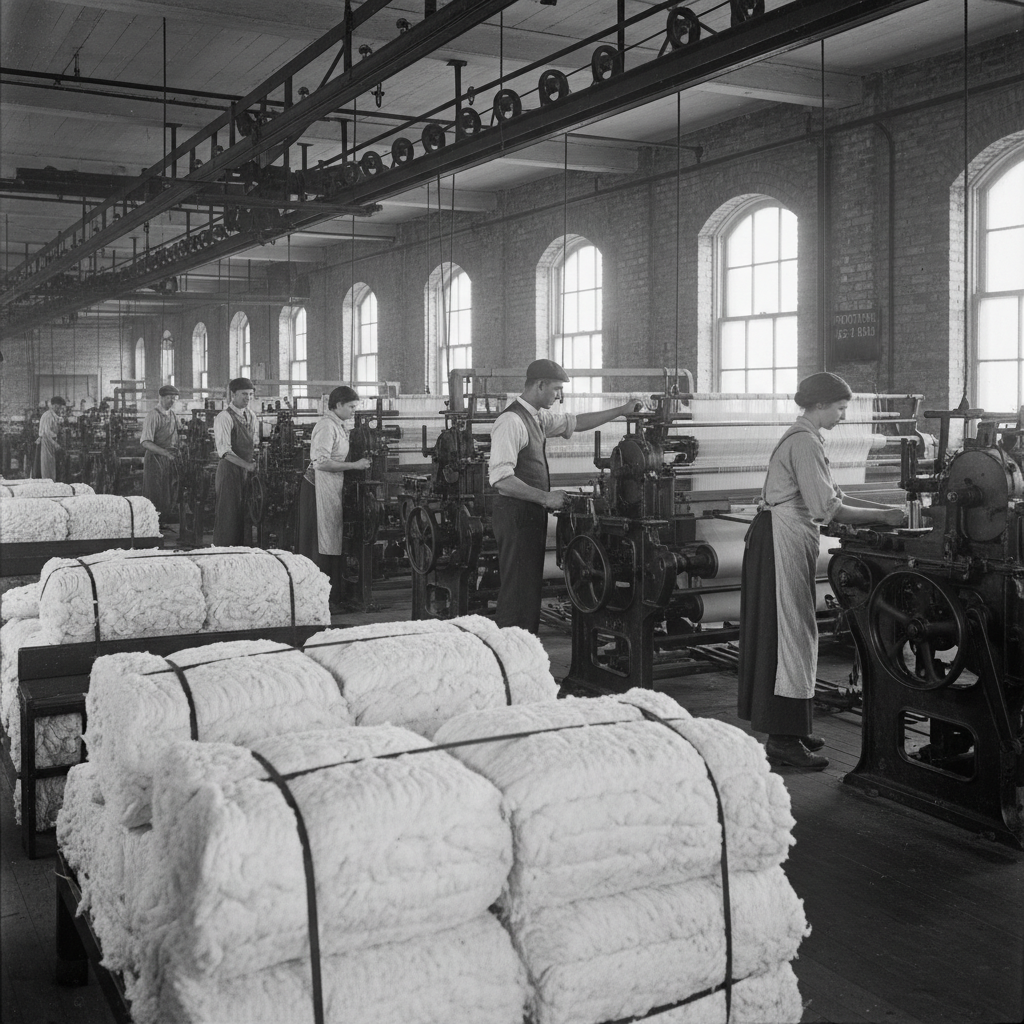
Pennsylvania has a strong textile history. Despite the industry’s decline since its heyday, numerous family-owned mills, local fashion brands, and regional fabric manufacturers continue to thrive throughout the state. These companies rely significantly on low-cost imported cotton cloth and finished apparel. GSP+ has allowed them to maintain low prices and remain competitive.
But with GSP+ nations up for review, import tariffs might increase overnight. If that occurs, prices on items ranging from raw cotton yarn to finished apparel might skyrocket. For Pennsylvania’s textile companies, numerous which operate on thin margins, the blow might be devastating.
“We’ve always relied on stable, low-cost cotton imports,” says a textile mill owner in Reading. “If that gets hit with tariffs, it could raise our material costs by 10% to 15% — and that’s enough to throw off our whole operation.”
Higher Costs, Slower Supply Chains
The prevailing shortage of cotton is already driving prices higher. Mills are willing to pay more per bale, and finished goods are delayed longer. Those that have used just-in-time production — making goods only when they are ordered — are having to inventory material or hold up orders.
Some Pennsylvania companies are seeking out new suppliers in other markets such as Turkey or South America. Others are thinking of mixing cotton with synthetic or recycled fibers in order to keep costs in check. But these maneuvers cost time and money — two assets many small businesses lack in abundance.
Likely Shift Back to Local Sourcing?
The cotton crisis is generating renewed interest in domestically grown cotton and local textile manufacturing. Pennsylvania had once a robust network of cotton farms and mills, particularly in its southern counties. Today, nearly all of that has vanished, but a handful of farms and factories still exist.
Some entrepreneurs are now asking: Is it time to bring more of the supply chain back home?
“We’ve talked about switching to U.S. cotton,” says a clothing brand founder in Pittsburgh. “It’s more expensive, but it’s reliable. And our customers are starting to care more about where their clothes come from.”
However, reshoring isn’t easy. Local cotton is often priced higher, and rebuilding domestic manufacturing takes investment and time. Still, the idea is gaining traction — especially if GSP+ access continues to shrink.
Sustainability and Consumer Pressure
Meanwhile, the cotton crisis is prompting more Pennsylvania companies to consider sustainability. Consumers, particularly young ones, are posing harder questions: Who made my clothes? Were materials used ethically? Was there forced labor involved?
To address this demand, some Pennsylvania companies are now marketing traceable supply chains, organic cotton usage, and fair labor practices. Not only does this establish trust with consumers, it can also safeguard against future disruptions in trade by using countries that have higher standards.
What’s Next for Pennsylvania?
The next few months will be crucial. The U.S. government, as well as the international community, is considering GSP+ arrangements. Any significant adjustment may affect where and how Pennsylvanian businesses obtain their material.
Here are some things to look out for:
- Possible increases in tariffs on cotton and textiles from GSP+ nations.
- New trade regulations or protocols for enforcing labor and environmental practices.
- Investment in local textile facilities if reshoring becomes more desirable.
- Consumer trends demand ethically sourced and sustainably produced products.
Final Thoughts
Pennsylvania’s textile sector has weathered change before, and it remains. But in 2025, the combination of declining cotton output and GSP+ uncertainty is a perfect storm. Small companies throughout the state are keeping tabs on the news, reordering their supply chains, and attempting to remain ahead.
Whether it results in a short-term shift or a long-term revolution is uncertain. But this much is certain: the future of cotton — and the trade policies that govern it — will have a great deal to do with the future of Pennsylvania’s textile industry.