- calendar_today August 27, 2025
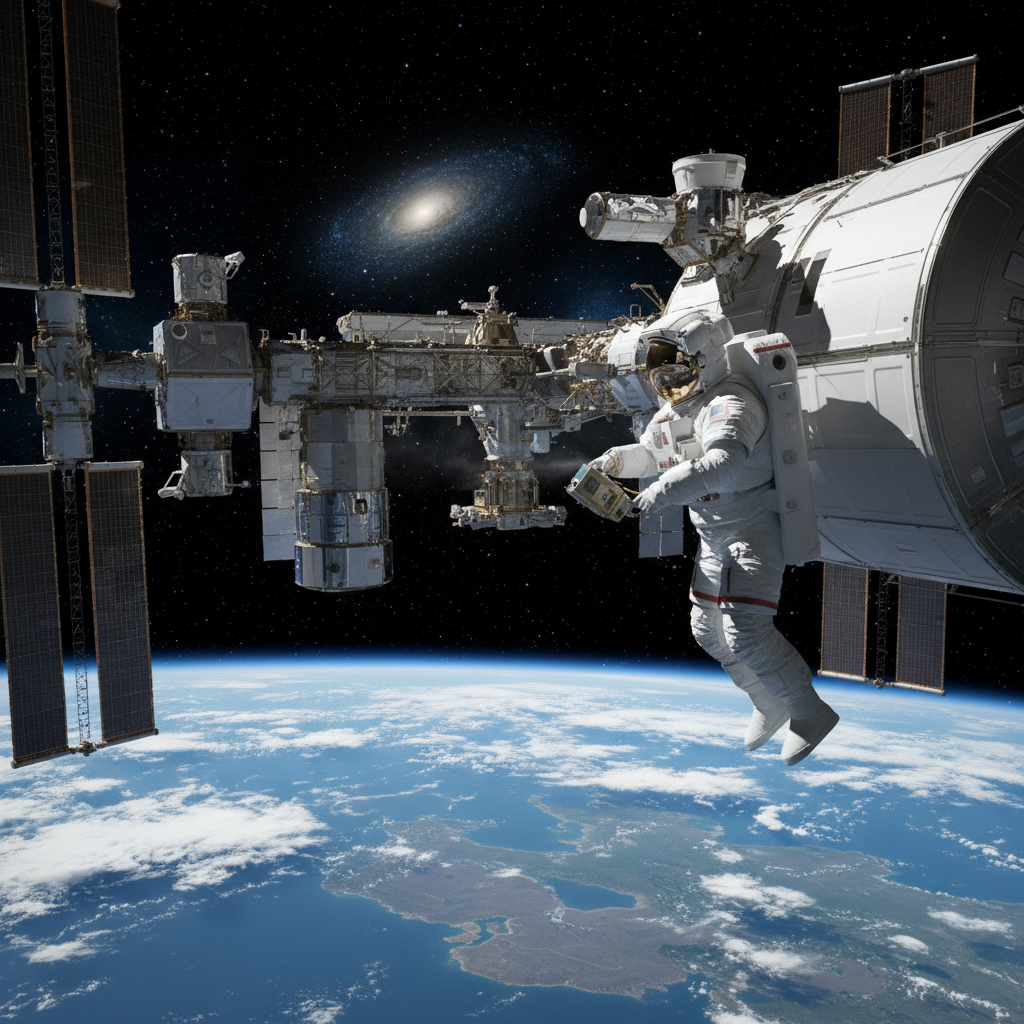
NASA has postponed an upcoming crew launch due to a critical leak developing on the International Space Station. NASA has not released official details about the situation while internal reports reveal that agency leaders have serious concerns.
And with good reason: The space station which has completed more than twenty years in Earth’s orbit continues to experience signs of strain not for the first time. Time and pressure have taken their toll and are now becoming evident.
A Leak That Won’t Quit
Leaks on the ISS aren’t new. The ISS has been dealing with a slow air leak since 2019 which mainly affects the Russian Zvezda service module. As one of the oldest components in the space station complex the Russian Zvezda service module launched in the early 2000s serves as an essential part of the ISS structure. The PrK transfer tunnel that links Zvezda with docking ports for Soyuz crew capsules and Progress resupply ships is where the problem occurs.
Russian cosmonauts made multiple repair attempts to address the air leak over several years. The repair attempts have consistently reduced the air loss rate without completely eliminating it. Every day the ISS loses an average of a couple of pounds of air due to the leak. This situation isn’t disastrous but presents significant challenges for people who live 250 miles away from Earth.
The workaround? The PrK hatch should remain shut unless there is an essential need to open it.
So, What Changed?
Russia’s space agency Roscosmos announced this month that they had successfully sealed the PrK module entirely. NASA confirmed Roscosmos’ assertion about the success of recent repairs to their module. The official reports from both agencies confirmed the leak rate inside the module had come to a complete halt.
That should’ve been good news.
The air pressure throughout the station continued to decrease despite repairs. The situation was puzzling because there should have been no air loss if the PrK module leak had been successfully sealed.
The Mystery Deepens
Two sources told Ars Technica that the likeliest explanation isn’t comforting: The seals of the hatch going to the PrK module have developed leaks. This situation could mean that the station is pumping air into the PrK module through defective seals which maintains stability of internal pressure despite ongoing air loss.
The situation remains unclear because no one fully understands what is happening. NASA maintains active oversight of the leak situation while developing contingency plans for all potential outcomes.
A senior industry source emphasized to Ars that this situation represents a serious concern. NASA’s space station program leaders are expressing their concern about the situation.
A Launch Delay—and Growing Risk
NASA delayed Thursday’s planned Axiom Mission 4 launch which was supposed to send four astronauts on a commercial flight to the space station. NASA requested additional time to examine the leak problem.
NASA announced that delaying Axiom Mission 4 will give them together with Roscosmos more time to assess the current situation and decide if extra troubleshooting steps are needed.
NASA officials have proposed June 18 as the new tentative launch date. The upcoming launch date remains dependent on the development of the leak issue in the next few days.
Worst-Case Scenario? Let’s Talk Fatigue
The leak itself is worrying. But what really has experts on edge is what it might represent: a sign of high cycle fatigue. Metal structures commonly experience this well-known phenomenon. Imagine bending a paperclip—once, it flexes. A continuous bending process will lead to the eventual snapping of the material. That’s fatigue.
Aluminum constitutes the major material of the ISS structure which is highly susceptible to this kind of stress. The station contains components which entered space in 1998. The space station has endured more than three decades of micro-vibrations, docking stresses and thermal cycling.
Metal fatigue could trigger a sudden catastrophic failure of the station in the worst-case scenario. It’s not just a theory. Metal fatigue caused Aloha Airlines Flight 243 to experience a sudden structural failure during its 1988 flight.
NASA knows the risks. The space agency identifies structural cracking of the ISS as its top concern in internal evaluations using its 5v5 risk matrix to assess hazard likelihood and severity.
And Yet—Silence
NASA has maintained public silence thus far about the situation. Reporters and concerned observers have asked many questions but no press conference has been set. The only official word so far?
The crew on the International Space Station performs regular operations without incident.
And that’s reassuring—to a point. The space station’s advancing age alongside visible long-term wear indicates that metal cracks might not be the only emerging problems.