
- calendar_today August 7, 2025
Even though it is well-known for its fluctuation in its stock prices, GameStop has set a precedent for other corporations across Pennsylvania. It recently incorporated Bitcoin into its capital reserves—a bold move that reflects a larger shift in corporate finance. Increasingly, businesses across the Commonwealth are exploring digital assets not just to preserve capital, but to diversify their holdings. But what does this mean for cryptocurrency investors in Pennsylvania?
As digital game downloads and e-commerce continue to dominate, GameStop has seen in-store sales decline, especially in Pennsylvania malls from King of Prussia to Pittsburgh’s Waterfront. In response, the company has restructured its operations. GameStop, still etched in public memory for its 2021 meme-stock explosion, is once again at the forefront of financial experimentation.
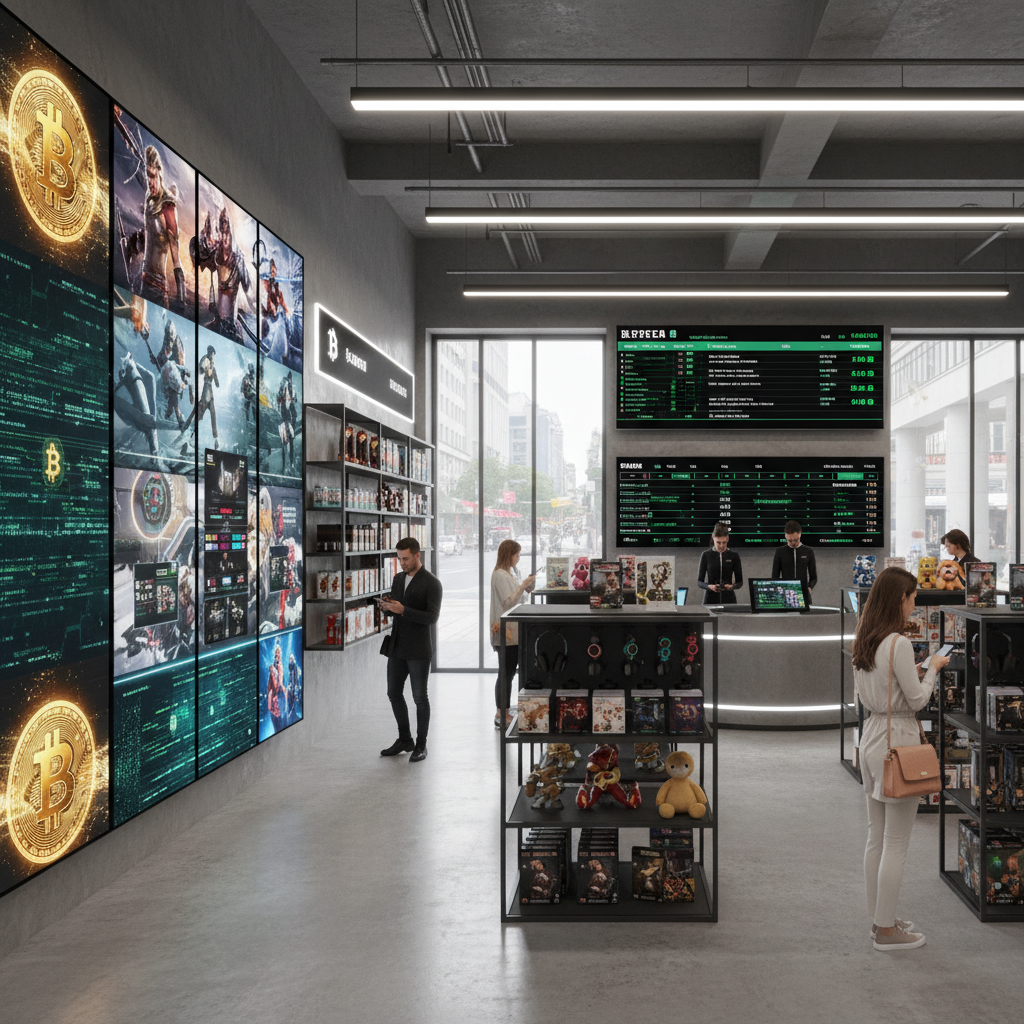
On March 25, 2025, GameStop announced plans to allocate a portion of its corporate capital to Bitcoin, following in the footsteps of companies like MicroStrategy and Tesla. According to Coindesk, the company also plans to issue $1.3 billion in convertible senior notes to fund the Bitcoin purchase.
Why Did GameStop Choose Bitcoin?
GameStop’s decision to invest in Bitcoin stems from several motivations. Chief among them is the aim to hedge against inflation. Inflation has been a concern across Pennsylvania, with residents in cities like Harrisburg and Erie seeing noticeable cost-of-living increases. The Bureau of Labor Statistics reports a 3.2% rise in the Consumer Price Index from February 2024 to February 2025. Bitcoin, often described as “digital gold,” is seen by many as a hedge against the devaluation of fiat currency.
GameStop also appears to be emulating MicroStrategy, the business intelligence firm that has acquired over 190,000 BTC, boosting its market position dramatically.
Another factor: many of GameStop’s retail investors and customers, especially younger investors in places like State College and Philadelphia, are drawn to the ideals of cryptocurrency. Aligning with Bitcoin enhances GameStop’s image among these tech-savvy supporters.
Moreover, the move supports GameStop’s digital strategy, which includes expanding e-commerce and blockchain projects such as NFTs. Holding Bitcoin complements this transition into a more digitized business model.
Immediate Market Reactions
Market responses were mixed. GameStop’s stock (GME) surged 9% immediately after the announcement but then fell 7.3% within two days, according to Reuters. Bitcoin’s price also climbed from $62,400 to $64,800 but quickly stabilized.
Wall Street analysts remain cautious. Tesla’s 2021 Bitcoin move is still fresh in investors’ minds, with its balance sheet seeing significant fluctuations. Financial professionals in Pennsylvania—especially in Philadelphia’s banking sector—are echoing similar concerns.
Implications for Cryptocurrency Investments in Pennsylvania
GameStop’s Bitcoin decision has wide-reaching implications for Pennsylvania’s crypto scene, both for individual investors and institutions.
First, it has bolstered confidence among local businesses considering digital assets. While only 8% of publicly traded companies had invested in crypto by 2023, GameStop’s move could influence more Pennsylvania-based firms to follow suit, particularly tech startups in Pittsburgh and Allentown seeking diversification strategies.
Second, the decision stirred volatility among retail investors across the state. In cities like Scranton and Lancaster, individual traders responded quickly, some flocking to Bitcoin, others voicing concern about GameStop’s long-term stability. The market reaction led to swings in GME stock and prompted widespread debate about corporate crypto adoption.
Third, the decision puts additional pressure on state and federal regulators. Pennsylvania does not yet have its own crypto-specific regulatory framework, but officials often coordinate closely with national agencies like the SEC and CFTC. The move by GameStop may catalyze conversations within the Pennsylvania Department of Banking and Securities about stricter monitoring or clearer guidelines for corporate crypto holdings.
Finally, GameStop’s gaming heritage may influence Pennsylvania’s growing tech and gaming sectors. With an expanding ecosystem of indie game developers and blockchain startups in Philadelphia and Pittsburgh, Bitcoin’s legitimacy could rise. This could lead to a higher number of local transactions involving cryptocurrency, especially within digital marketplaces.