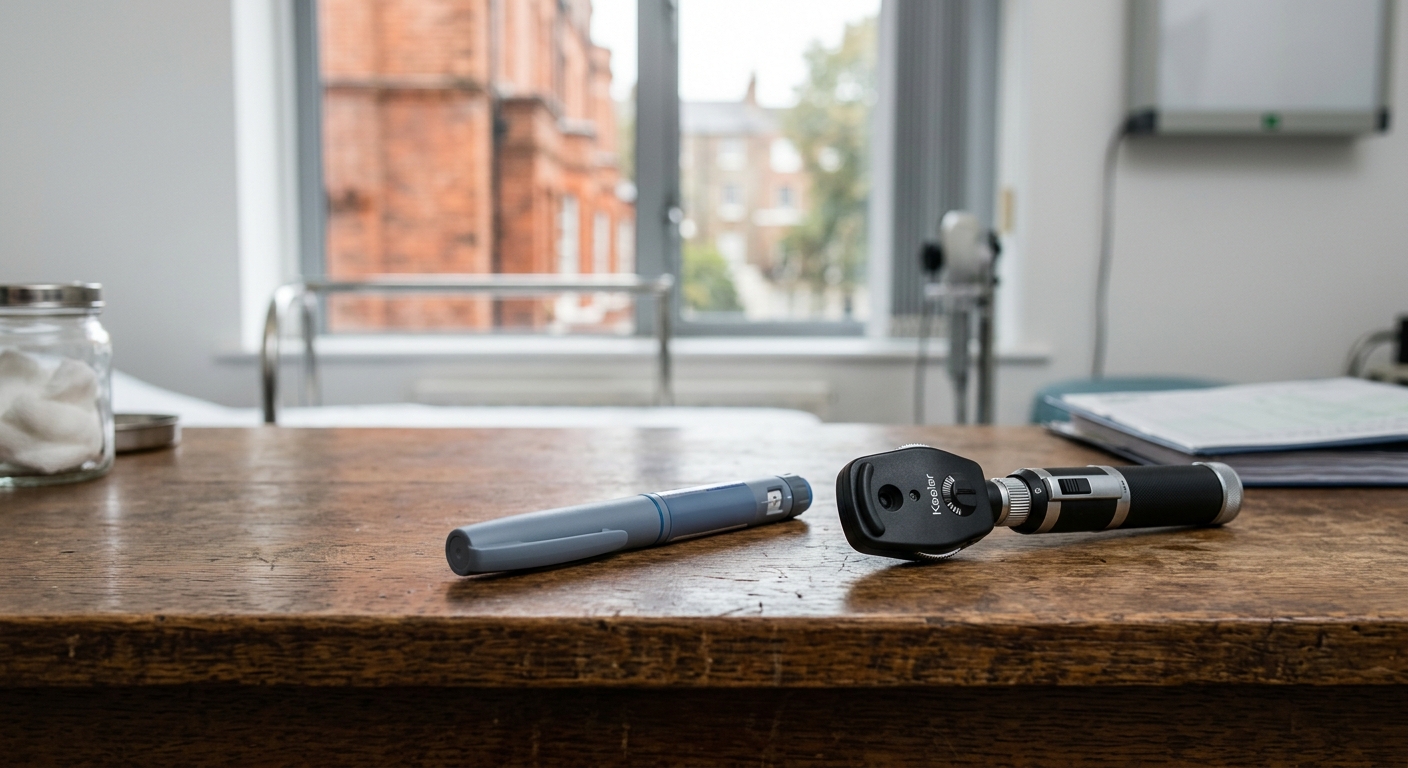
AI-generated illustration; not a photograph of the reported event.
- calendar_today September 23, 2026
In Pennsylvania, the use of GLP-1 drugs has come under increased scrutiny as patients, medical professionals, and legal experts address mounting concerns over potential vision loss tied to these popular weight loss treatments. The issue has reached new prominence in the region as numerous individuals join a wave of legal action filed nationally, alleging insufficient warnings about a rare but irreversible eye condition.
GLP-1 Weight Loss Drugs at Center of Legal Dispute
The lawsuits target leading pharmaceutical companies Novo Nordisk and Eli Lilly, accusing them of failing to adequately disclose the risk of non-arteritic anterior ischemic optic neuropathy (NAION). This sudden-onset disorder results in permanent vision impairment, primarily among older adults. Since 2025, nearly 100 related filings have been documented in New Jersey, many involving Pennsylvania plaintiffs who used GLP-1 weight loss medications, including semaglutide-based treatments.
Understanding NAION and Alleged Drug Side Effects
NAION, commonly abbreviated as naion, remains a poorly understood condition characterized by abrupt vision loss. Medical studies have yet to establish a definitive cause, increasing uncertainty for patients prescribed glp1 drugs. Plaintiffs contend that the absence of clear warnings about NAION as a possible drug side effect influenced their medical decisions and left them at risk.
Conflicting Scientific Evidence Surrounding GLP-1 Drug Lawsuits
Research on the connection between glp1 weight loss treatments and vision loss has yielded mixed results. Some studies published in 2024 and 2025 reported a potential association between semaglutide—an active ingredient in several weight loss drugs—and sudden vision impairment. Nevertheless, these studies stopped short of confirming a direct causal relationship. Conversely, other research, including a Novo Nordisk-funded trial, found no significant increase in NAION rates among participants receiving GLP-1 medications.
Global Regulatory Actions Focus on Drug Safety
Responding to emerging evidence and legal pressures, the European Medicines Agency advised in 2025 that warning labels referencing NAION be added to GLP-1 drugs. This measure has since been implemented in the United Kingdom, Japan, Australia, and New Zealand out of concern for consumer drug safety. However, U.S. regulatory agencies have yet to mandate similar changes, leaving patients in Pennsylvania and across the nation amid uncertainty regarding potential drug side effects.
Pharmaceutical Companies Maintain Position
Novo Nordisk and Eli Lilly, significant players in the glp1 drugs market, continue to deny any proven causal link between their medications and NAION. Company statements emphasize the absence of conclusive evidence and describe the mounting glp1 drug lawsuits as lacking in merit. Both companies assert their commitment to monitoring post-market safety data and upholding transparency in prescribing material.
Regional Impact and Community Response
The discussion surrounding weight loss drugs and ocular health has resonated strongly within Pennsylvania’s medical community. Local physicians warn patients about the challenges associated with diagnosing NAION and stress the importance of reporting any vision changes promptly. Support groups and advocacy organizations are promoting awareness as the legal battles unfold, hoping to ensure ongoing evaluation of drug side effects and drug safety in the region.
The Path Forward
As Pennsylvania residents weigh the benefits and risks of GLP-1 drugs for weight management, the debate involving semaglutide, Novo Nordisk, and Eli Lilly is far from settled. With further research and legal proceedings underway, patients and healthcare providers await clearer guidance from both scientific and regulatory sources regarding these widely used treatments.