
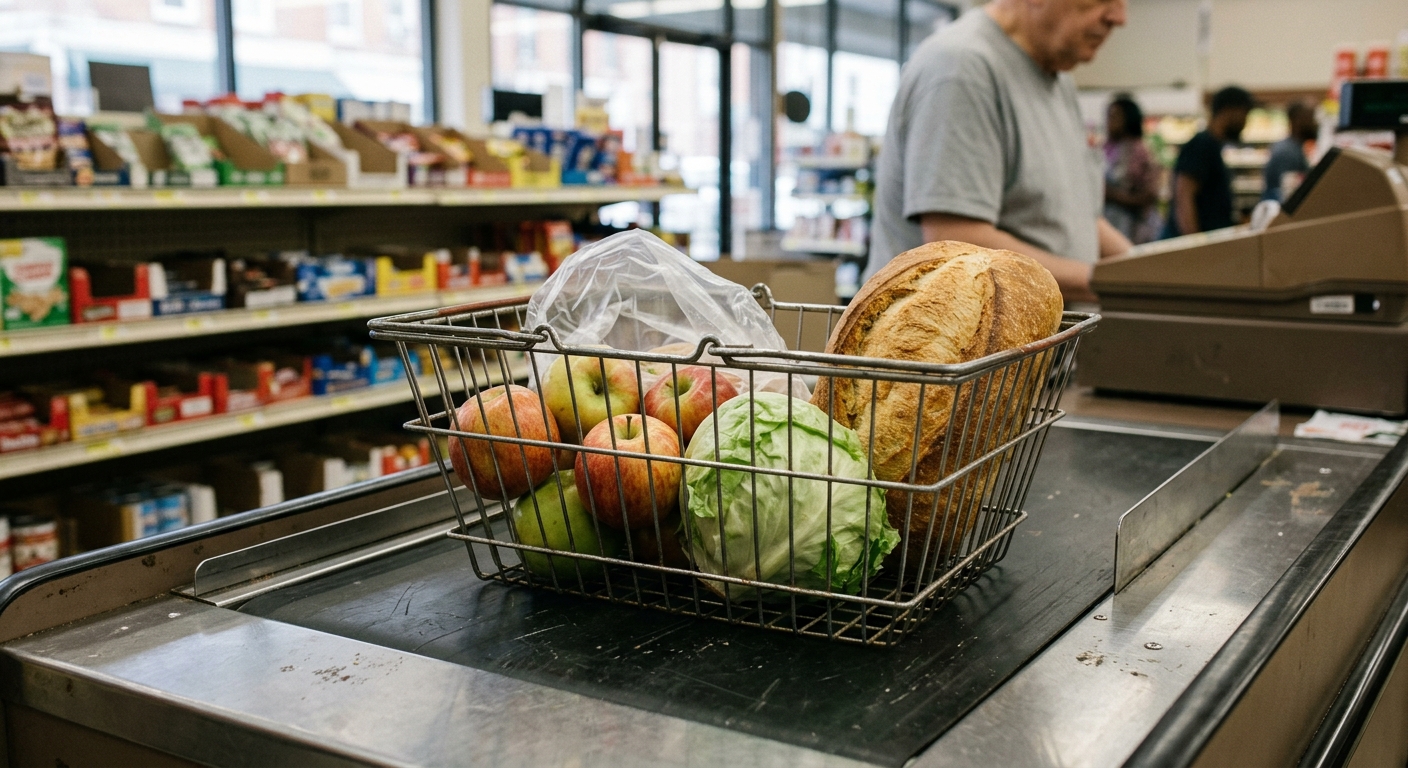
AI-generated illustration; not a photograph of the reported event.
- calendar_today October 9, 2026
Philadelphia City Council Introduces Legislation Targeting Food Insecurity
The Philadelphia City Council is considering a new package of bills designed to tackle the rising issue of food insecurity in the city. Prompted by recent federal policy changes that reduced access to food benefits for thousands of residents, the proposed measures aim to improve affordability and food access for Philadelphians facing economic hardship.
Key Proposals: City-Run Grocery Store and Food Security Office
Introduced by Council President Kenyatta Johnson on Thursday, the Philly Food Affordability Act includes several significant components. Among them are plans for the establishment of an Office of Food and Nutrition Security and the formation of a Food and Nutrition Security Advisory Commission. The bill package also calls for council hearings to discuss the possibility of launching a community grocery store operated by the city to help keep food costs down.
Hearings and Legislative Progress
The council approved hearings on grocery prices and consumer habits as part of its effort to understand and address local food accessibility challenges. Other related bills and resolutions were introduced and will come up for a vote at a later stage. Should the council approve the creation of the Office of Food and Nutrition Security, the measure would be put to a public vote in May, with a targeted start date of January 1, 2028.
Impact of SNAP Benefits Changes
The legislative push follows federal changes to Supplemental Nutrition Assistance Program (SNAP) work requirements under the One Big Beautiful Bill, signed during President Donald Trump’s administration. These changes led to roughly 98,000 Pennsylvanians losing eligibility for SNAP and shifted administration costs largely to the states. The alterations have heightened concern about food insecurity and access across Philadelphia.
Responsibilities of the Proposed Food Security Office and Commission
If approved, the new food security office would be directed by a mayoral appointee with at least five years of senior leadership experience, subject to City Council approval. This office would be charged with developing and implementing strategies for combating food insecurity and enhancing nutrition security, coordinating public and private food access initiatives, and collecting relevant data. The Advisory Commission, in an advisory role, would assist the office and the mayor by offering further strategies and recommendations to alleviate food insecurity issues. The commission would be required to submit formal recommendations by December 31, 2029, and would require a change to the city charter.
Exploring a City-Run Grocery Store
The first hearing will focus on assessing the feasibility of a city-supported grocery store designed to stabilize or reduce food prices. Council President Johnson noted that while the concept may seem unconventional, it is similar to state-funded initiatives that support large grocery retailers. He referenced examples in Newark, New Jersey, where five city-run grocery stores were opened, and similar proposals in New York City.
Additional Hearings on Grocery Industry Practices
The legislation also proposes hearings on how grocery retailers use consumer data, as well as their application of surveillance technologies, algorithm-based pricing, and dynamic pricing models. These sessions will explore the impact of such practices on food affordability and consumer privacy in Philadelphia.
Outlook and Next Steps
Council President Johnson emphasized the goal of ensuring that no children have to go to school or bed hungry, outlining the council’s commitment to developing comprehensive and long-term approaches to address food insecurity in the city. As the second-largest poorest city in the country, Philadelphia faces significant challenges, but city leaders hope that these measures will form the foundation for more equitable access to nutritious food.
Source: phillyvoice.com.