- calendar_today June 17, 2026
Philadelphia ushered in Pennsylvania’s long-awaited debut as a FIFA World Cup host city with record crowds, robust tourism activity, and a coordinated effort across transportation, hospitality, and public services. More than 68,000 fans filled Lincoln Financial Field for the opening match, signaling a promising start and putting the spotlight on the region’s global sporting ambitions.
Strong Attendance Sets the Tone
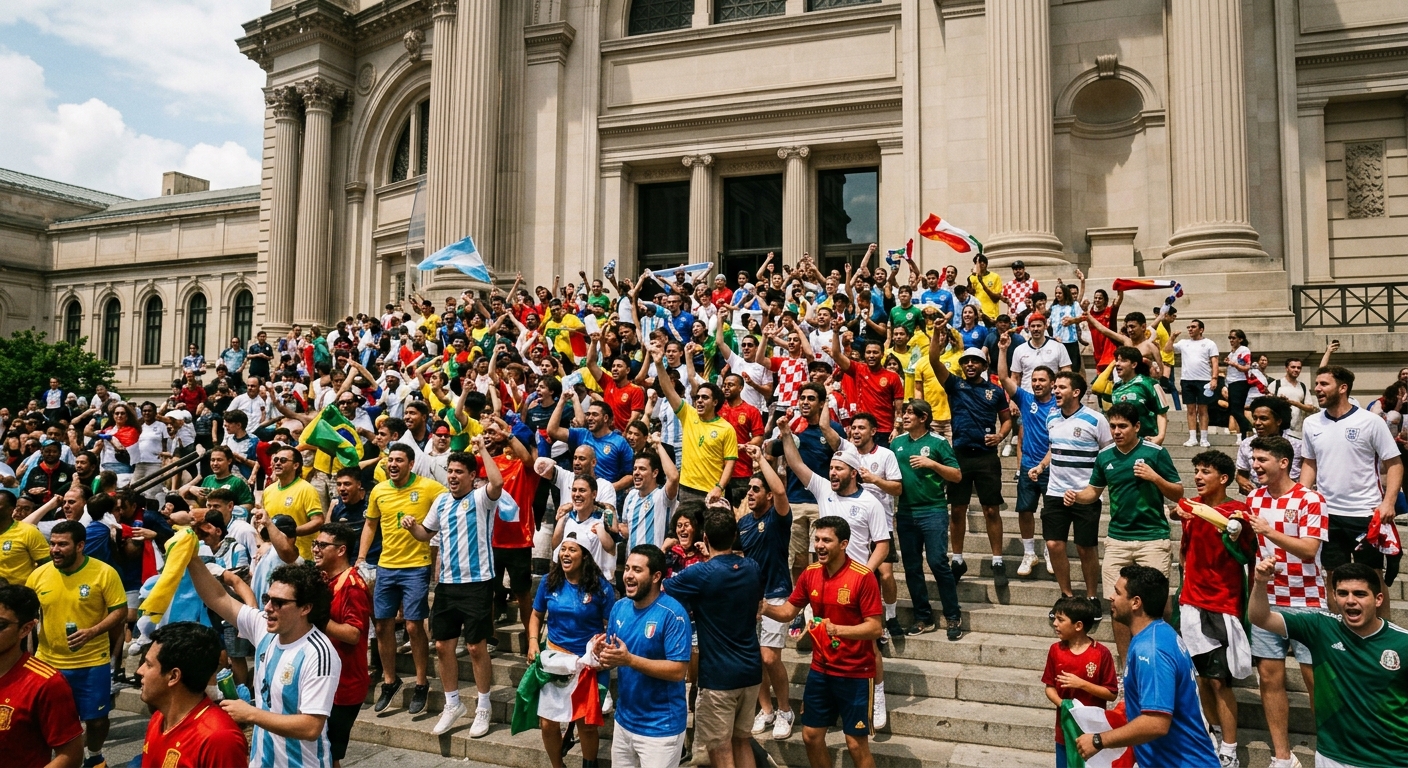
The philadelphia world cup has already drawn international recognition with significant world cup attendance figures. Over the opening weekend alone, more than 109,000 visitors flocked to the fifa fan festival at Lemon Hill, underscoring the city’s capacity to host large-scale celebrations and engaging fans from across the globe and Pennsylvania’s communities.
Transportation Systems Rise to the Challenge
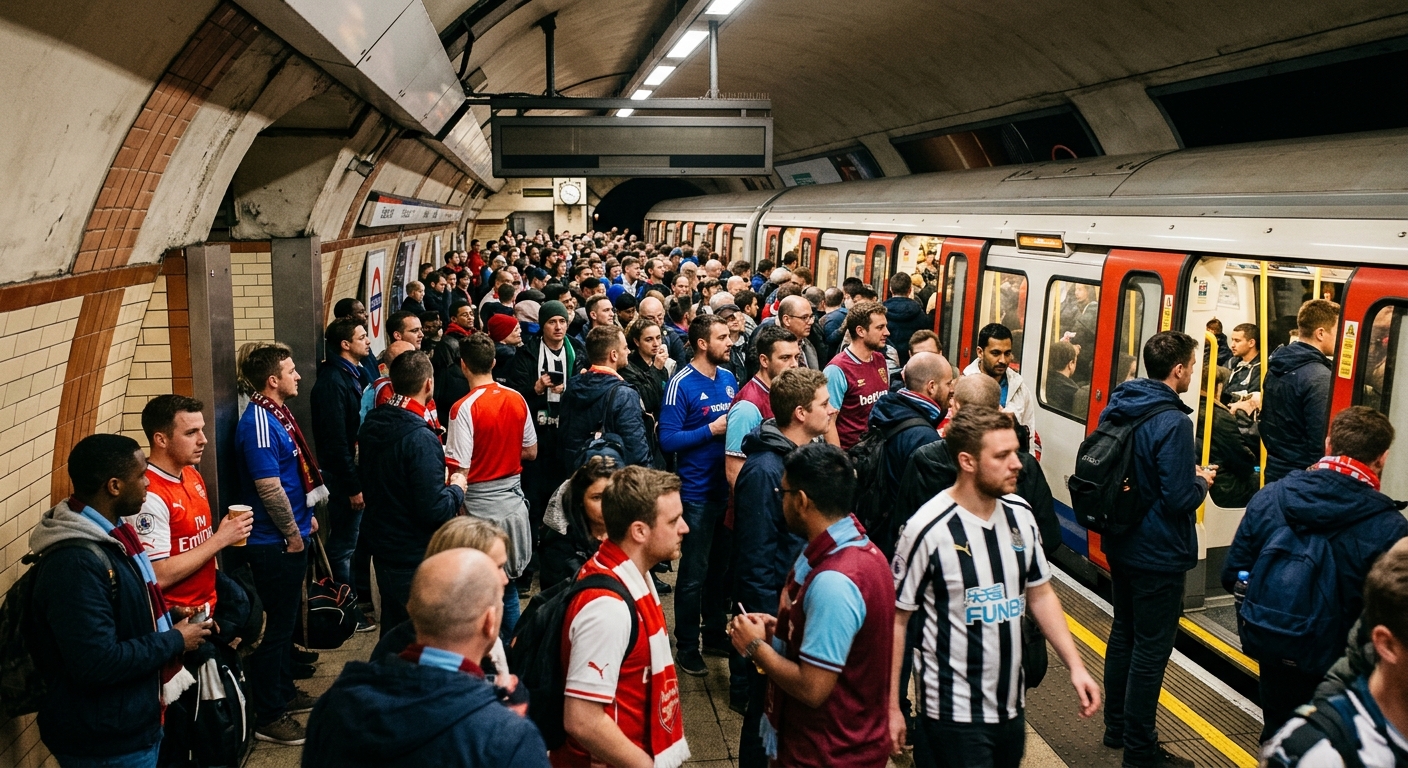
With heightened demand from world cup transportation needs, local transit authorities responded swiftly. SEPTA’s Broad Street Line transported nearly 19,000 passengers following the Sunday match, while the Philly PHLASH bus service expanded its operations to keep up with increased traffic. Upgrades to transit stations and a 32% boost in Indego bike-share ridership demonstrated the city’s commitment to sustainable and accessible travel options for both visitors and residents during this period of elevated septa ridership.
Hospitality Response and Tourism Trends
Philadelphia’s hospitality industry mobilized in support of world cup tourism and world cup hospitality, serving more than 50,000 guests through dedicated hospitality hubs. The Philadelphia International Airport saw an influx of over 438,000 travelers between June 11 and June 15, with projections pointing to even greater flows as the tournament continues.
Hotel Performance and Economic Impact
Even with impressive turnout figures, the performance of world cup hotels presented a more tempered picture. Local hotels reported occupancy rates of 70-75%, which, while healthy, fell short of expectations. In addition, average nightly rates saw a 20% decline. Officials attribute these trends in part to increased capacity and changing booking patterns, as the hospitality sector adapts to a broader range of events coinciding with the World Cup, from Juneteenth programming to the region’s 250th anniversary celebrations.
Community Engagement and Ongoing Events
Pennsylvania’s celebrations stretch well beyond the matches at lincoln financial field. The local government and regional organizations have collaborated to ensure that world cup events complement ongoing community programming. With Juneteenth events and historic commemorations running alongside World Cup festivities, the city is positioning itself as a dynamic destination for residents and international visitors alike.
Strategic Partnerships and Long-Term Vision
Officials in Philadelphia and across Pennsylvania emphasize the importance of sustained collaboration among transit agencies, hospitality leaders, and public safety departments. Their shared goal is to leverage the World Cup’s presence to strengthen local infrastructure, enhance visitor experiences, and demonstrate the city’s potential for hosting large-scale international events in the future.
Looking Ahead
As the 39-day tournament unfolds, the region remains optimistic about sustaining the tourism momentum. Continued investments in transportation, expanded fan experiences, and coordinated safety measures are expected to support both immediate and long-term economic benefits for Pennsylvania. With Philadelphia at the center of global attention, regional leaders hope to maximize the legacy of this landmark World Cup experience for the communities they serve.