
- calendar_today June 29, 2026
In Pennsylvania, the centuries-old practice of rat hunting is finding renewed purpose as dog trainers and enthusiasts turn to humane alternatives for managing urban rodent populations. Across Philadelphia and surrounding areas, dog owners are engaging in this traditional method not only to curb infestations but to promote the welfare and enrichment of their canine companions.
The Rise of Dog-Assisted Pest Control in Urban Settings
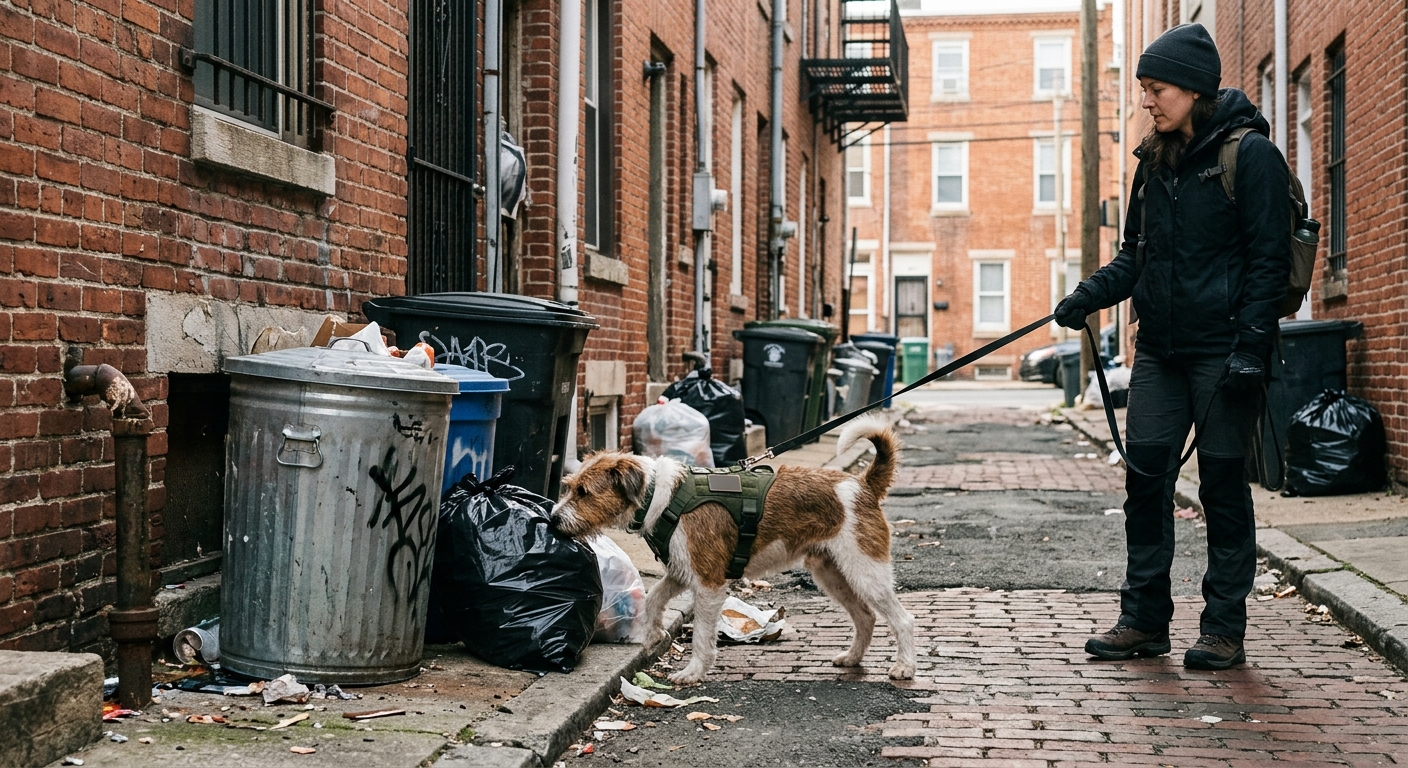
With urban centers like Philadelphia facing persistent rodent challenges, innovative approaches to pest control have become increasingly important. Jenna Walkling, a professional in dog training, exemplifies a new trend: utilizing dogs’ natural prey drive in controlled and ethical ways. After relocating from New Hampshire and noticing her rare breed dog, Torch, showing a keen interest in philadelphia rats, Walkling began exploring humane methods to manage the city’s rodent issues.
Community Engagement and Local Expertise
Seeking guidance, Walkling connected with Richard Reynolds, a leading figure in organized urban rat control initiatives based in New York. Their collaboration has led to regular excursions in several Pennsylvania neighborhoods. Each spring and fall—prime seasons for safe activity—they venture out for two to four hours weekly, working within community boundaries and respecting local environments.
Canine Health and Enrichment at the Forefront
For dog owners like Walkling, canine health and safety are paramount. She ensures Torch receives all necessary vaccinations, wears protective gear, and takes frequent breaks during outings. The experience is not solely about rodent control; it also serves as a significant form of dog enrichment, strengthening the bond between handler and animal while channeling natural instincts in a positive manner.
Misperceptions and Ethical Perspectives
Despite common concerns regarding the safety of rat hunting dogs, experts stress the benefits of this approach compared to hazardous alternatives like poison or glue traps. Walkling and Reynolds argue that humane pest control methods reduce suffering among rodent populations and lower risks to pets, wildlife, and residents. Protecting dogs from potential diseases or injuries is a top priority, and responsible owners are diligent about minimizing hazards.
Community Service, Not Commerce
Though neighbors occasionally offer financial compensation, Walkling maintains that this activity is strictly a public service. Many residents appreciate the visible reduction in rodent activity and the proactive involvement of local dog trainers. The initiative underscores a shared responsibility for urban rat control and highlights how tailored, ethical practices can benefit entire neighborhoods across Pennsylvania.
Promoting Enjoyable and Rewarding Activities for Dogs
Advocates like Walkling encourage dog owners to discover what excites and fulfills their pets, whether it is working, competing, or exploring. For Torch and other dedicated rat hunting dogs, tracking rodents under supervision is more than a task—it’s a passion. Such activities align with the movement toward humane pest control and provide avenues for responsible dog ownership in urban settings.
As Pennsylvania communities seek sustainable solutions to ongoing rodent challenges, integrating dog-assisted rat hunting demonstrates how traditional skills and modern values can work hand in hand. By prioritizing enrichment, safety, and ethical treatment, local trainers offer a compelling model for cities facing similar pest control dilemmas across the country.