
- calendar_today August 12, 2025
After several years of unpredictability, Pennsylvania’s real estate market is finding its footing. While price spikes seen in 2021 and 2022 have cooled, stability—not stagnation—is now the theme. Homes in suburban regions like Lancaster County and Lehigh Valley have seen modest price increases, supported by growing demand from remote workers and urban outmigrants.
According to data from the Pennsylvania Association of Realtors, closed home sales were up 4.1% in February 2025 compared to the previous month. In Philadelphia, where prices have largely plateaued, the return of investor activity in neighborhoods like Fishtown and Point Breeze suggests that long-term confidence is outweighing short-term hesitation.
This renewed interest isn’t driven by fear of missing out—it’s rooted in strategy. With 30-year mortgage rates hovering near 6% and inflation dipping to 2.8%, many Pennsylvanians are recalibrating rather than retreating.
Build-to-Rent Expands into Suburban and Rural Terrain
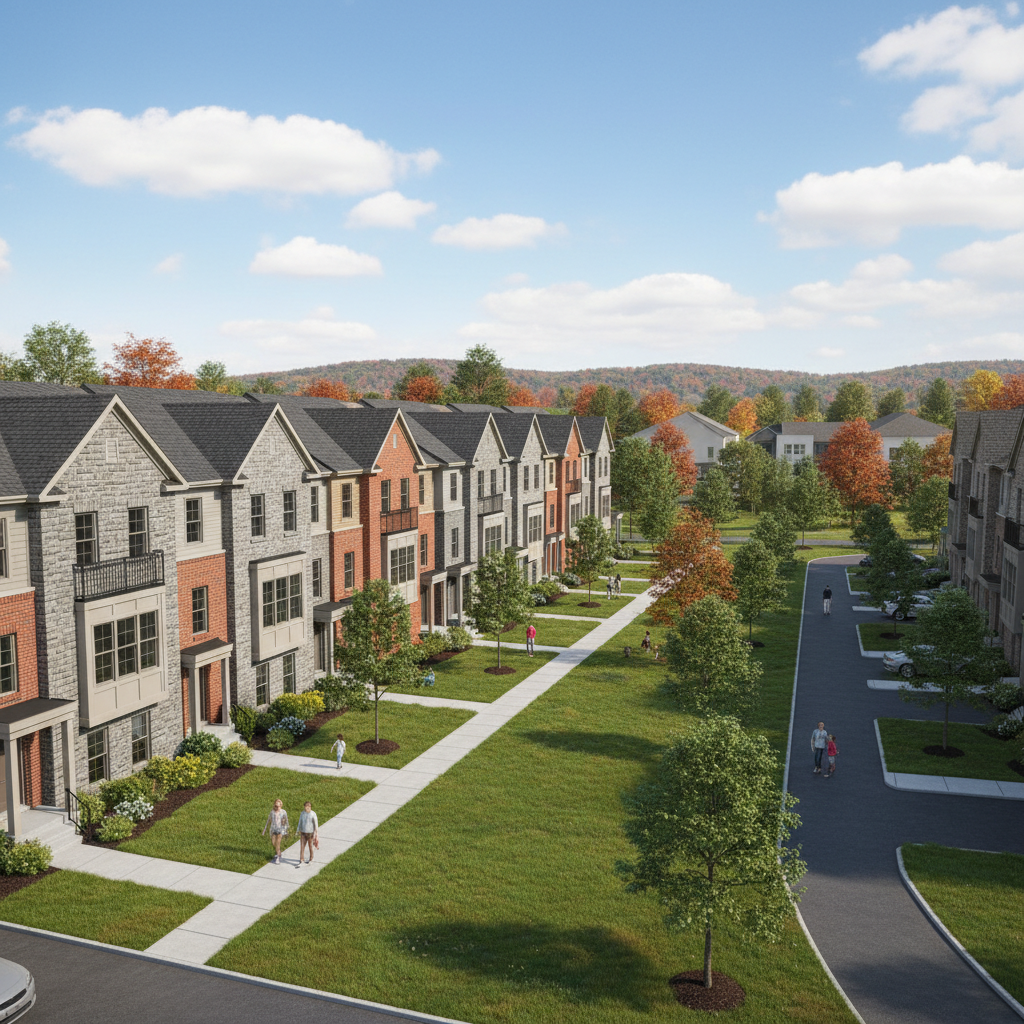
Build-to-rent (BTR) communities, once a phenomenon confined to southern metros, are finding fertile ground in Pennsylvania’s exurbs. Developers are targeting areas like York, Easton, and Altoona, where land is available, regulations are friendlier, and demand is growing.
The demand isn’t speculative—it’s demographic. Millennials entering family life are priced out of ownership in metro hubs but unwilling to sacrifice space or school districts. At the same time, Gen Z renters seek affordable, amenity-rich options that still allow them to live near nature or commute to larger cities like Pittsburgh or Philadelphia.
A recent report by BFR Insights noted that Pennsylvania ranked among the top five states for new build-to-rent proposals in Q1 2025. One project in Berks County, for example, will feature 150 townhome rentals with on-site childcare and co-working lounges—a clear sign that rental living is being reimagined, not just replicated.
Small Cities, Big Potential
While Pennsylvania’s two largest metros remain investment staples, smaller cities are stepping into the spotlight. Erie, Harrisburg, and Scranton are drawing a new wave of investors attracted by low entry points and growing job markets.
In Erie, a lakeside redevelopment initiative has transformed parts of the city’s waterfront into mixed-use housing, boosting both tourism and property values. Local officials point to a 16% rise in permit applications for residential conversions over the past year—most of them aimed at turning vacant commercial buildings into apartments.
Meanwhile, Harrisburg, long overshadowed by neighboring Baltimore and D.C., is becoming a relocation hub for government workers and healthcare professionals. Job growth in healthcare, logistics, and education has steadily lifted demand for rentals and starter homes alike.
Mortgage Rates and Economic Trends Guide Investment Behavior
The Federal Reserve’s steady hold on interest rates between 4.25% and 4.5% is echoing across Pennsylvania’s real estate landscape. In contrast to pandemic-era volatility, the current environment is offering something investors sorely missed: predictability.
This is especially evident in places like State College, where demand for student housing and faculty rentals remains high. Investors targeting this niche have been able to project cash flows with greater accuracy as inflation eases and borrowing costs settle.
Yet, challenges remain. In urban cores, mortgage payments are still eating up 35–40% of household income, according to Moody’s Analytics. For investors, this reinforces the importance of balancing property value appreciation with rental yield—particularly in areas where wages haven’t kept pace with rising housing costs.
Commercial Real Estate: Two Paths Diverging
The commercial market in Pennsylvania is showing a tale of two trends. On one hand, office space in Center City Philadelphia and downtown Pittsburgh continues to face high vacancies. Hybrid work culture, once seen as temporary, has entrenched itself. CBRE estimates vacancy rates above 21% in Philly’s core districts.
Yet outside these zones, the picture is brighter. Industrial real estate in Allentown and Bethlehem is booming, driven by Amazon warehouses, logistics startups, and e-commerce expansions. In 2025 alone, the Lehigh Valley has added over 1.2 million square feet of industrial space—much of it pre-leased before completion.
Meanwhile, strip malls in the Pittsburgh suburbs are being converted into healthcare clinics and mixed-use spaces, blending residential units with essential services. These adaptive reuse projects signal a growing trend in the commercial sector: flexibility is king.
REITs and Real Estate Funds Provide Safer Entry
For those unwilling to manage physical property in uncertain submarkets, real estate investment trusts (REITs) and ETFs remain a popular option. Funds like the iShares U.S. Real Estate ETF (IYR) and Vanguard’s VNQ continue to outperform commercial-heavy funds due to their exposure to residential and logistics assets.
Pennsylvania-specific REIT holdings—especially those in student housing near Penn State and Temple University or industrial parks in Central PA—have shown steady yield growth over the past 12 months. Investors seeking geographic diversification with lower capital requirements continue to find these vehicles appealing.
Looking Ahead to the Remainder of 2025
Several developments will shape Pennsylvania’s real estate trajectory through the rest of the year:
- The 2025 presidential election and potential tax implications for property owners and investors
- Adjustments to local zoning laws, especially in cities experimenting with inclusionary housing mandates
- Environmental risks tied to flooding in river-adjacent towns like Johnstown and Wilkes-Barre
- State-level incentives for green construction, which are influencing developer site selection
As one Harrisburg-based real estate consultant observed, “It’s not just about square footage anymore. Investors want climate resilience, tenant stability, and long-term zoning clarity.”
In Pennsylvania, real estate strategy in 2025 is less about chasing hotspots and more about understanding the state’s diverse micro-markets—from student towns and coal-region revivals to lakeside investments and post-industrial pivots. The opportunities are real, but the winners will be those who know the terrain.
For more updates on Pennsylvania’s housing data, investment outlooks, and market forecasts, sign up for the Keystone Real Estate Briefing.