- calendar_today August 7, 2025
The Remote Learning Boom: Is Online Education the Future of College Degrees in Pennsylvania?
Earning a degree without setting foot on campus, an idea that once seemed far-fetched, is now very much a reality. As universities roll out digital programs at a record pace and students enrol in online courses in large numbers, a crucial question arises: Is this the future of higher education? Let’s take a closer look.
A Shift in Higher Education
For generations, going to college meant crowded lecture halls, dorm rooms, and campus libraries. That model, however, has undergone significant changes over the past few years. What was once a side offering—online learning—has now entered the mainstream.
So, universities in Pennsylvania (Philadelphia, Pittsburgh) have also started expanding their digital programs, and thousands of students are choosing remote learning over traditional classrooms. The question is no longer whether online education has a place in the future—it’s whether it is the future.
“Universities that fail to embrace digital learning will struggle to compete in the evolving higher education landscape,” says an education policy analyst, Dr. Jane Mitchell.
The Growth of Online Learning
For generations, going to college meant crowded lecture halls, dorm rooms, and campus libraries. That model, however, has undergone significant changes over the past few years. What was once a side offering—online learning—has now entered the mainstream.
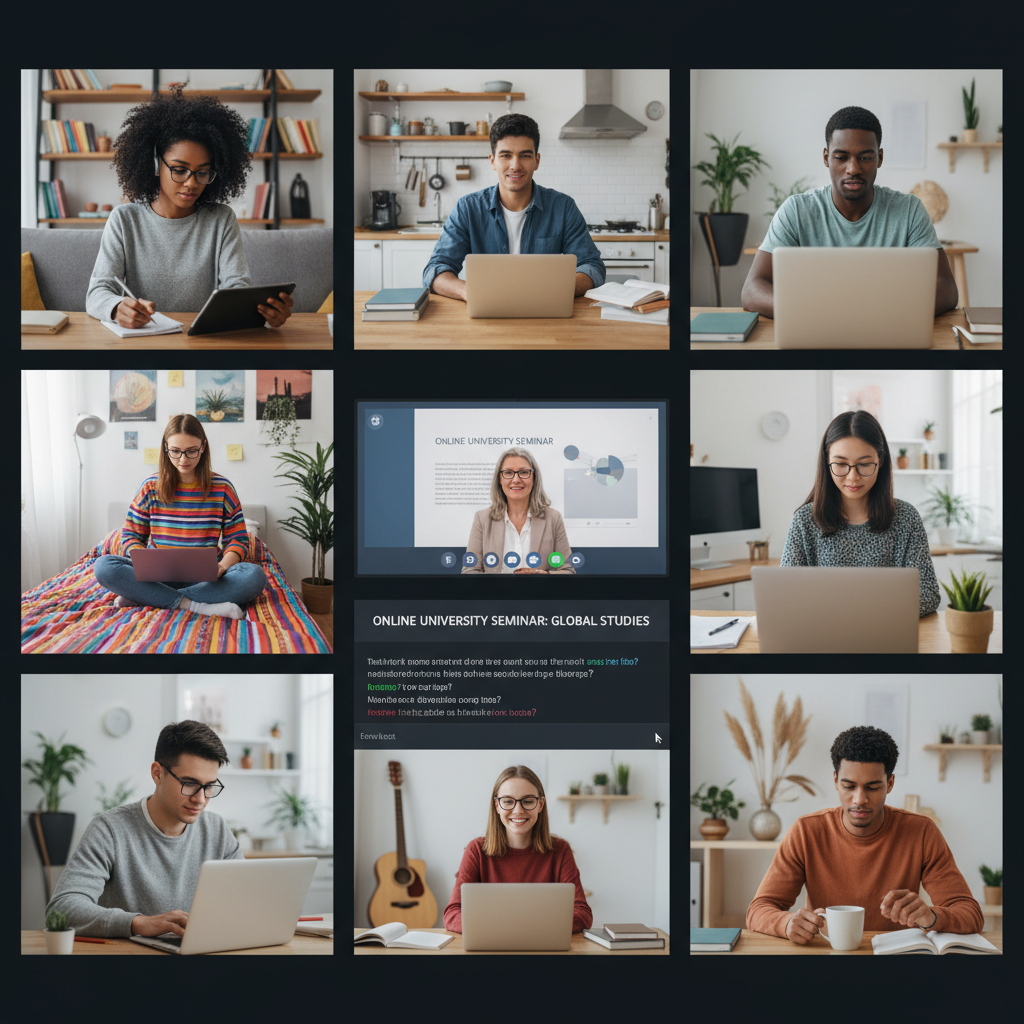
From community colleges to Ivy League institutions, universities are increasingly offering remote programs. Millions of students are choosing digital learning over traditional classrooms. It’s no longer a debate of whether online education belongs in the future. The discussion now is: how far will it go?
Why Students Choosing Online Degrees
Flexibility is a the first core reason behind the shift. With online classes, students can study from wherever they are and balance their studies with jobs or family duties.
Cost also matters. Online degrees often come with lower tuition. Besides, students avoid housing, transportation, and campus fees.
Then there’s access. Students don’t have to relocate to attend top institutions. Only a stable internet and a laptop are often enough.
As of 2025, about 40% of colleges still offer fully remote learning, down from 98% in 2021. This is still a big number.
Meanwhile, technology continues to improve. Tools like virtual labs, interactive platforms, and AI tutors are enhancing the remote learning experience.
Would Employers Hire Someone with an Online Degree?
This question once raised doubts, but it no longer does. Today, 77% of academic leaders believe that online education is as effective, or better than, in-person learning. That’s a big jump from 49% in 2021.
In fields such as technology, business, and marketing, accredited online degrees are widely recognised. Some companies are now placing less emphasis on formal degrees and instead prioritizing candidates with proven skills and real-world experience.
That said, change is coming. By 2025, nearly 70% of corporate training is expected to be delivered through e-learning platforms, showing growing trust in online education.
What’s Next for Higher Education?
Experts predict that the future of education in Pennsylvania will be hybrid—a blend of online and in-person learning. Universities are already experimenting with successful models, such as the flipped classroom, which combines digital courses with occasional on-campus experiences to provide students with the best of both worlds.
Emerging technologies may further reshape learning:
✅ Virtual and augmented reality could enable hands-on training in a digital space.
✅ Micro-credentialing—short, skill-based certifications—may challenge the traditional four-year degree model.
A New Era for Learning
While online education may not fully replace in-person learning, it has cemented itself as a major force in higher education. Universities, employers, and students in Pennsylvania must now adapt to a world where digital learning is not just an option—it’s an integral part of education’s future.
As universities, students, and employers continue to adapt, one thing is clear: the future of education is no longer just on campus—it’s wherever students choose to learn.