
- calendar_today June 13, 2026
The upcoming 2026 FIFA World Cup, hosted across 16 cities in the United States, Canada, and Mexico, is drawing significant attention from Pennsylvania’s public health officials, who are preparing for world cup infectious diseases that may accompany the global sporting event. With millions of international fans expected to travel, there is heightened vigilance to protect residents and visitors from potential health threats.
Event Scale Heightens Infectious Disease Threats
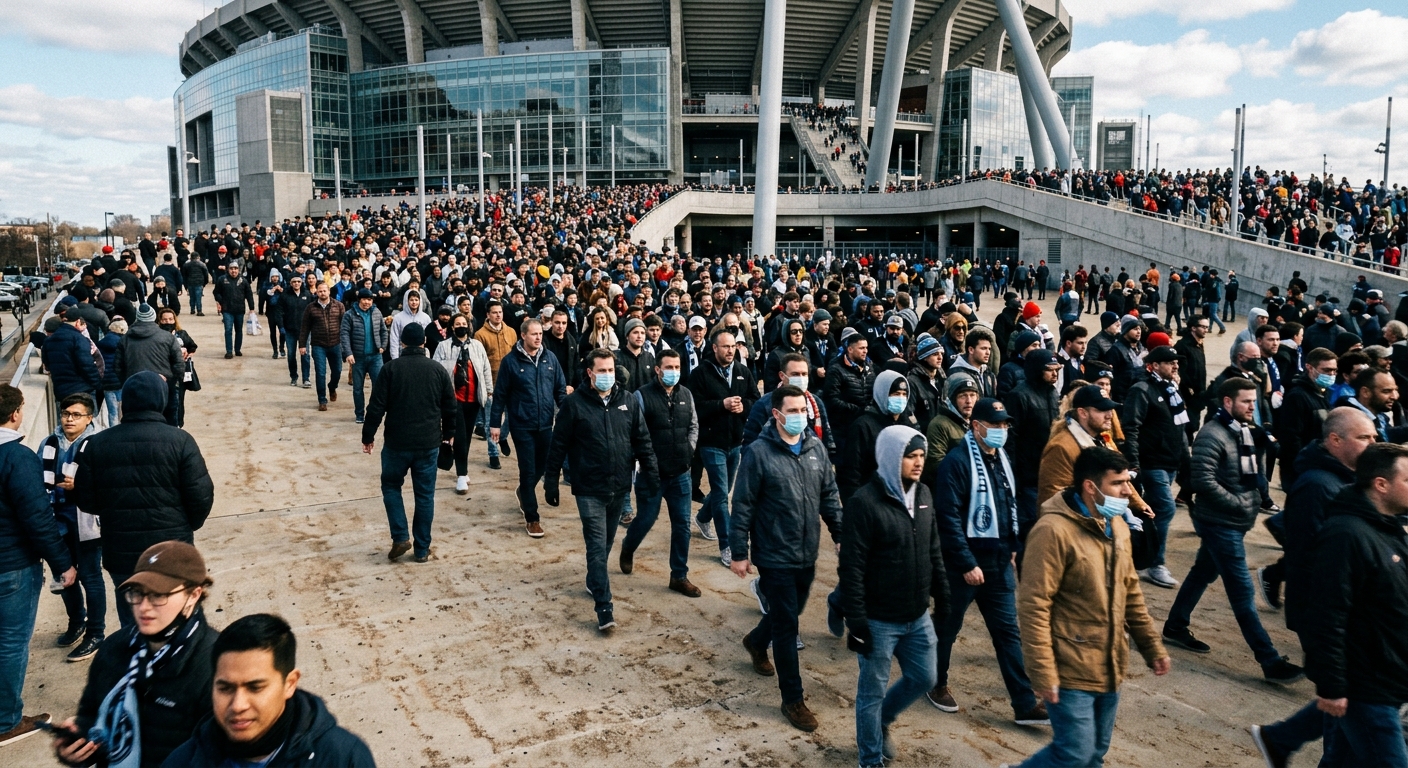
Large-scale events such as the World Cup have a history of challenging local health systems. The convergence of visitors from around the world increases the likelihood of infectious disease threats, with communicable illnesses able to spread rapidly in densely populated settings. While major outbreaks remain rare, the unique context of the tournament—the largest of its kind to date—demands comprehensive coordination among host cities, including those with connections to Pennsylvania’s communities and sports fans.
Respiratory Infections a Main Concern
A principal focus remains on respiratory infections such as the flu, COVID-19, and the ever-present risk of measles outbreaks. Nationwide and global upticks in cases have been observed in recent months. Public health authorities stress the importance of preventive measures, as covid 19 transmission continues, especially in high-traffic venues and enclosed spaces common during major sporting events.
Mosquito Borne Diseases Highlight Regional Variability
The World Cup coincides with the peak of mosquito activity in the summer, bringing mosquito borne diseases like dengue, yellow fever, and the Oropouche virus into focus. While southern host cities are considered higher risk, travel corridors mean that vigilance is warranted in Pennsylvania as well, especially for those returning from games. The routine recommendation by experts is mosquito repellent use for anyone attending outdoor matches or activities linked to the event.
The Ongoing Necessity of Vaccination
Vaccination remains a cornerstone of public health strategy. In light of recent measles outbreaks and concerns about global immunity gaps, officials are urging fans to heed updated vaccination recommendations before traveling. This applies to all visitors, including Pennsylvanians planning to follow the tournament abroad, as well as those who may encounter international guests at local hospitality venues and viewing events.
Ebola Risk and Preparedness Measures
Though the chance of ebola risk is classified as minimal—owing to strict travel protocols and the virus’s lack of airborne transmission—public health agencies remain alert. Advanced public health monitoring systems have been mobilized, including a U.S.-based Health Security Operations Center tasked with real-time surveillance and coordinated responses among states like Pennsylvania.
Sexually Transmitted Infections and Preventive Advice
Beyond respiratory and vector-borne threats, sexually transmitted infections also present a serious concern. Large international gatherings historically see an uptick in casual encounters, emphasizing the need for safe sex messaging and accessible health services throughout the tournament’s duration.
Community and Institutional Engagement in Pennsylvania
Regional authorities are working closely with local hospitals, universities, and sporting organizations to ensure effective communication and rapid response should cases arise. These collaborative efforts encompass not only disease monitoring, but also public education campaigns around safe behaviors, vaccination, and personal preventive strategies.
Public Guidance and Ongoing Challenges
Fans and residents are encouraged to stay informed, update vaccinations, use mosquito repellent, and practice good hygiene. Individuals are also advised to self-isolate or wear masks if sick, and to practice safe sex during travel. Despite challenges posed by recent public health funding limitations, Pennsylvania’s coordinated efforts demonstrate a proactive approach to safeguarding the region during the World Cup period.
As the countdown to 2026 continues, robust planning and community cooperation are the state’s best defenses against world cup infectious diseases, ensuring a celebration of sport does not become a public health emergency.