
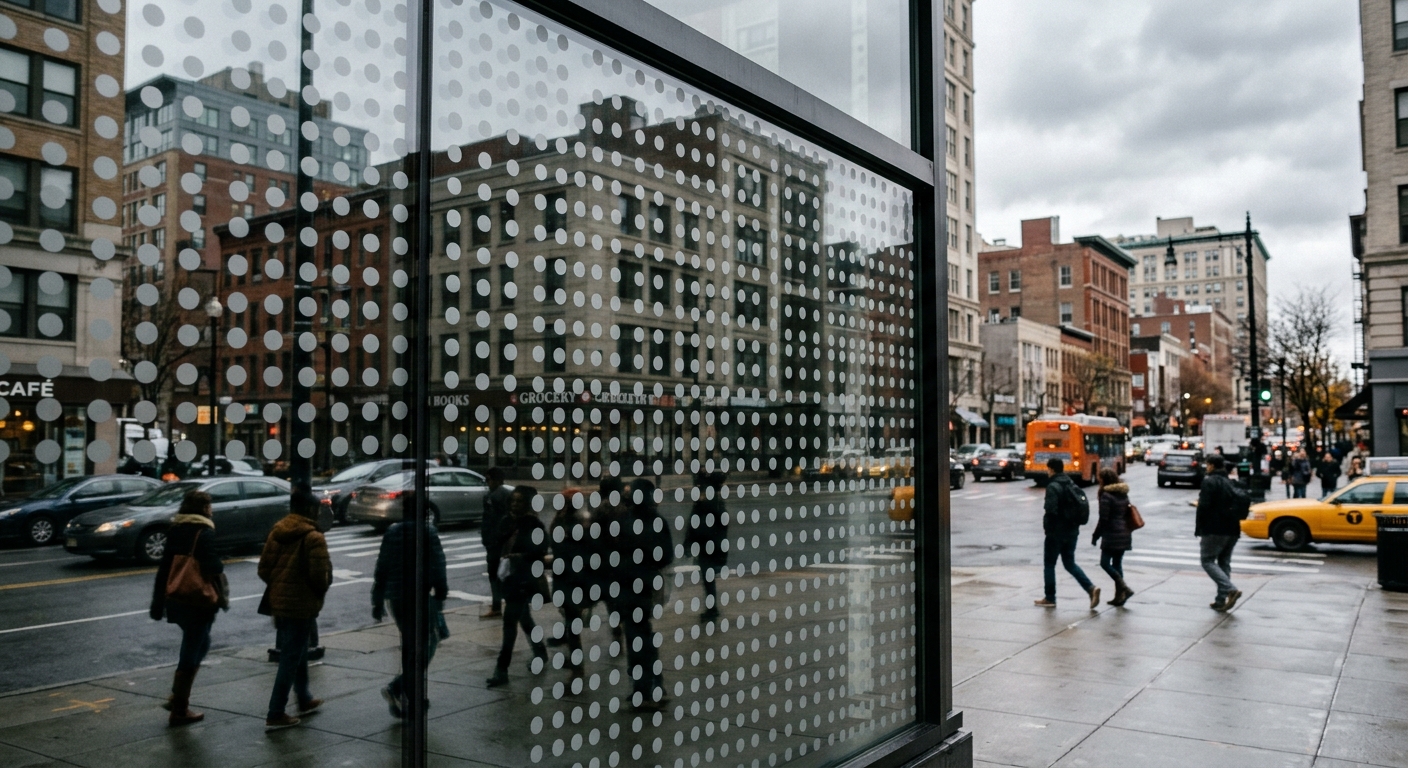
AI-generated illustration; not a photograph of the reported event.
- calendar_today October 26, 2026
Bird Collisions Prompt Action in Philadelphia
On October 2, 2020, Philadelphia witnessed one of its most devastating bird collision events, as more than 1,000 birds slammed into glass windows in Center City during peak fall migration. Keith Russell, urban conservation program manager at Audubon Mid-Atlantic, recalls the difficulty of collecting nearly 400 dead and injured birds that day, describing the experience as both disturbing and stressful. The event acted as a wake-up call for local conservationists, accelerating efforts to protect migratory birds in the city.
Bird Safe Philly: Volunteer Coalition on a Mission
Following this incident, a group of bird advocates formed Bird Safe Philly, an all-volunteer coalition dedicated to regular monitoring, clean-ups, and advocating for safer urban environments for birds. The coalition works closely with building owners to encourage the installation of bird-friendly features, particularly during spring and fall migrations along the Atlantic Flyway. Bird Safe Philly has documented 132 different species that have collided with buildings in Center City to date.
Main Causes and Solutions for Bird Strikes
Bird strikes are common both during the day and at night. Urban glass windows often reflect the sky, confusing birds, while bright artificial lights and certain weather conditions exacerbate the risk, especially during migration. To address this, Bird Safe Philly and its partners recommend the use of vinyl dot decals, applied in close patterns on windows, which birds are able to recognize and avoid. Window retrofits, such as those recently implemented at the Elkins Park Library, cost between $1.50 and $10 per square foot and can last from a few months to two decades, depending on the material quality.
Monitoring and Rehabilitation Efforts
About 30 volunteers participate in early morning surveys in Center City, often collecting 25 or more birds on a single circuit. During one recent survey, 36 window strikes involving 17 different species were recorded. Frequently, smaller bird species suffer stunning or neurological effects, while larger species face internal injuries. Injured birds are transported to the Schuylkill Center Wildlife Clinic in Upper Roxborough, where more than half are successfully rehabilitated, though little is known about their long-term survival after release.
Community Partnerships and Policy Initiatives
Bird Safe Philly’s approach is collaborative, aiming to work with, rather than blame, building owners. Successful partnerships include retrofits at Sister Cities Cafe in Logan Square and several libraries and environmental education centers. In 2021, city and business leaders established the "Lights Out Philly" initiative, turning off building lights from midnight to 6 a.m. during peak migrations. High-profile buildings such as the Comcast towers, BNY Mellon Center, and Liberty Place participate in this voluntary effort.
Expansion and Ongoing Initiatives
In February, the National Fish and Wildlife Foundation awarded a $496,100 matching grant to the Wildlife Management Institute and Bird Safe Philly for building retrofits, educational efforts, and expanding "Lights Out Philly". Recent installations of bird-friendly glass at historic sites like the Liberty Bell Pavilion and First Bank of the United States demonstrate progress and growing buy-in from the community. Keith Russell emphasizes the importance of continued involvement from architects and building owners to address the cumulative risk posed by urban development.
Looking to the Future
With growing awareness and support, Bird Safe Philly hopes to extend its work beyond the city to other counties and continue reducing unnecessary bird fatalities. Advocates maintain that window retrofits and artificial light reduction are entirely preventable solutions to a source of mortality that affects beloved migratory bird populations.
Source: phillyvoice.com.