
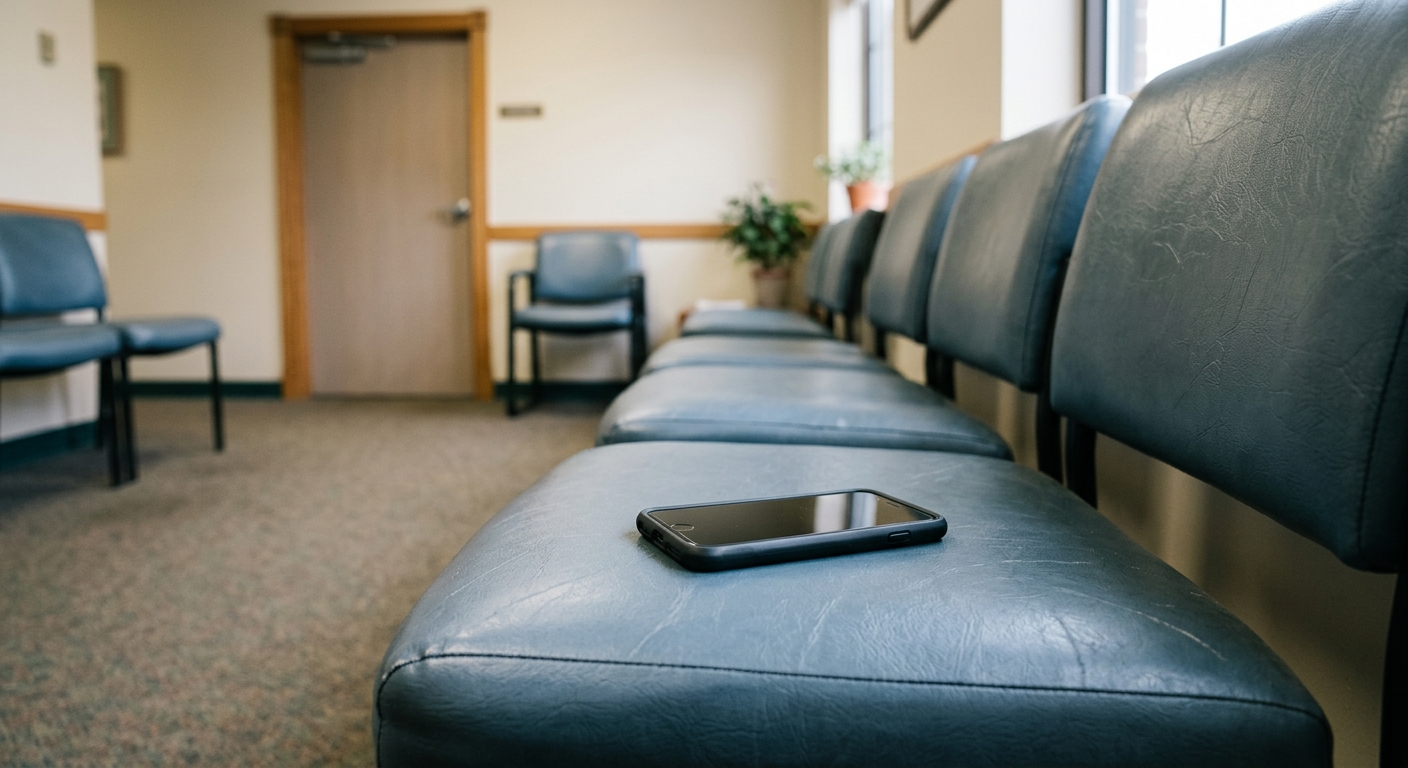
AI-generated illustration; not a photograph of the reported event.
- calendar_today October 31, 2026
Mobile Phones and Sensitive Location Data
Chris McQueen, a San Diego resident and leukemia survivor, continues to receive advertisements for unproven cancer remedies on his mobile phone long after completing treatment. Each visit to his oncologist or routine bloodwork triggers new targeted ads. Many patients like McQueen have learned that data brokers can track their smartphones' location data, combine it with other personal information, and sell inferences to companies marketing questionable health products.
Understanding the Scope of Data Tracking
According to a 2022 American Medical Association survey, over 92% of patients believe their health data should not be available for purchase. However, the reality is that when individuals go to hospitals, abortion clinics, or support group meetings, their location information, collected from their mobile phones, is not protected under the Health Insurance Portability and Accountability Act (HIPAA).
Eric Ellsworth from the Center for the Study of Services points out that data brokers often collect massive amounts of data from various sources, including the open web. The U.S. government has begun penalizing some companies for tracking people at sensitive sites, but experts warn that sporadic enforcement will not stop a profit-driven industry.
Privacy Laws and Legislative Efforts
Legislative progress on privacy is mixed. In September, California's governor vetoed a bill that would have blocked the sale of sensitive data, saying it went "a step too far." A study from Stanford University found that only 9% of data brokers comply with California law allowing consumers to access, correct, or delete their data. Several states—Connecticut, Delaware, Maryland, New Jersey, Oregon, and Virginia—have banned the sale of precise geolocation data, but industry lobbying remains strong against such regulations.
The Economic Incentives for Data Sales
Data brokers and advertisers maintain that location data is not inherently sensitive. However, F. Mario Trujillo of the Electronic Frontier Foundation argues that aggregate location data exposes personal details. Advertising agencies contend that targeted ads help consumers and businesses alike, keeping many digital services free to use. Federal scrutiny is increasing; in May, the Federal Trade Commission restricted Idaho-based data broker Kochava from selling sensitive location data without explicit consent, highlighting the potential for tracking movement to places like hospitals and religious sites. Still, privacy advocates note that individual enforcement actions do not equate to comprehensive regulation.
Major tech companies derive significant revenue from targeted advertising. A 2024 report by Federal Reserve Bank of St. Louis economists showed large profit margins for companies like Alphabet (Google), Meta (Facebook), and Microsoft compared to other service sectors. With low marginal costs after initial data infrastructure investments, data brokers repeatedly sell the same data to various clients, including AI companies. Data brokers collectively hold information on more than 90% of U.S. Facebook accounts, according to research.
Challenges in Opting Out
Opting out of location data tracking is complex. The Privacy Rights Clearinghouse and Electronic Frontier Foundation have identified 750 data brokers operating in the U.S., with many lacking transparent opt-out processes. Consumer Reports has found these companies' records rife with errors, further complicating consumer control.
Present-day opt-in disclosures often allow broad use and sale of data, leaving consumers with little practical choice. Even when sensitive locations are excluded from profiles, brokers can infer visits by analyzing proximity and movement patterns. Trujillo at EFF recommends disabling location permissions for apps and turning off ad tracking to enhance privacy. In the absence of robust federal regulation, users can take steps such as disabling location services and ad identifiers on their devices.
Impacts on Healthcare
Targeted ads for fake medical treatments confuse patients and can result in harmful health choices. Dr. Julien Cavanagh, a neurologist in Atlanta, now routinely inquires about online supplement use due to patients presenting unexplained symptoms linked to unvetted treatments encouraged by online advertising.
How to Limit Location Tracking on Your Mobile Device
At least 20 states allow residents to request data deletion from brokers, but the process is often manual and fragmented. California, for example, has a centralized portal at privacy.ca.gov/drop/.
On iPhone:
- Go to Settings > Location Services to disable or limit location tracking for all or individual apps.
- Navigate to Privacy & Security > Tracking and turn off "Allow Apps to Request to Track."
On Android:
- Open Settings > Location to turn off tracking globally or per app.
- Go to Security and Privacy > Privacy Controls > Ads, then tap "Delete advertising ID."
While debates on privacy legislation continue, users must take proactive steps to safeguard their location and health data.
Source: phillyvoice.com.