
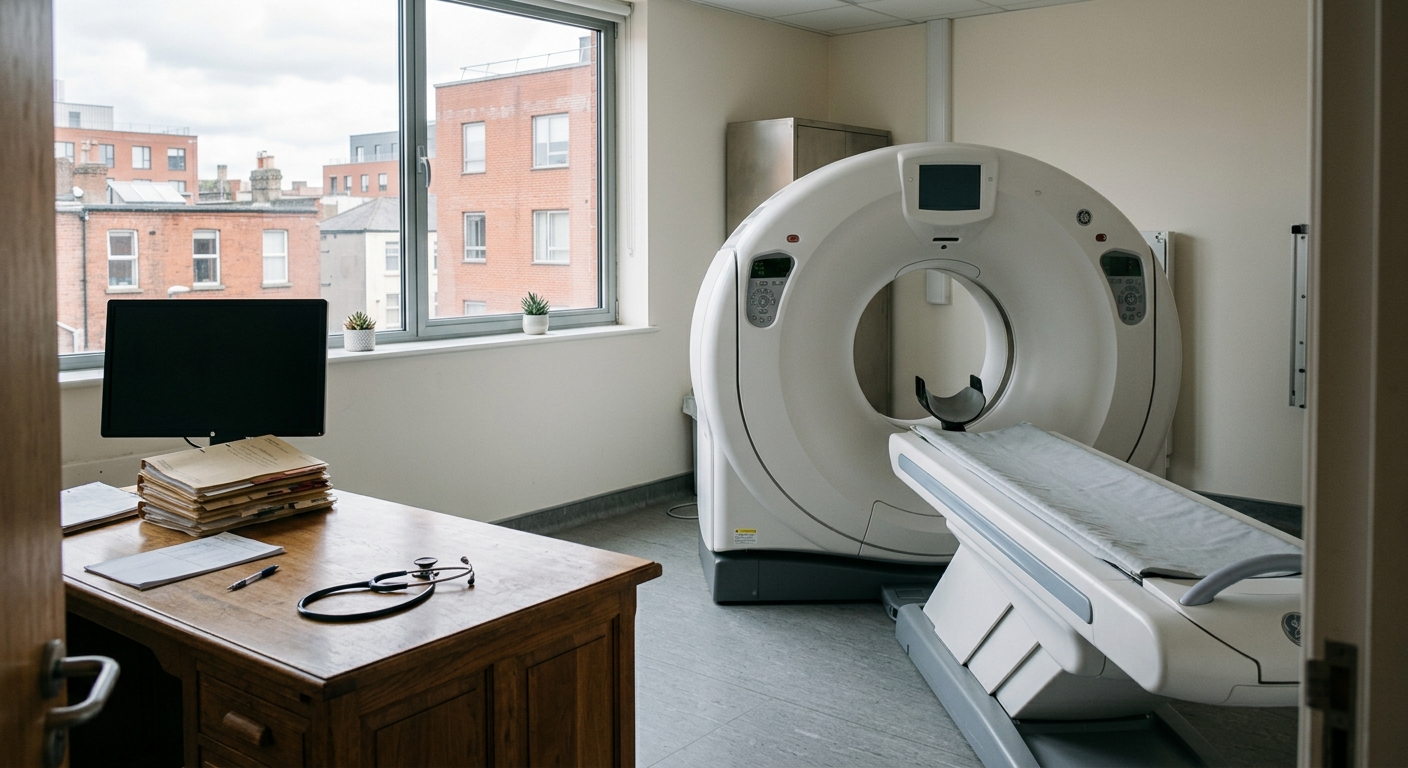
AI-generated illustration; not a photograph of the reported event.
- calendar_today October 20, 2026
Many Eligible Adults Are Missing Out on Lung Screening
A simple, quick test designed to detect lung cancer early is underused by many Americans who could benefit most. In 2024, only about one in five eligible adults received a recommended lung screening, according to a study led by the American Cancer Society. This low participation rate poses a significant challenge, especially in communities like Philadelphia where early lung cancer detection could have a major impact on health outcomes.
What Is Lung Screening and Why Is It Important?
Lung screening is a preventive process involving a low-dose CT scan that takes about 10 minutes and requires no special preparation. Much like mammograms and colonoscopies, it’s intended to detect potential health problems—specifically lung cancer—before any symptoms appear. Early detection often means more treatment options and a better chance of successful outcomes.
In addition to lung cancer, the screening can also reveal other issues, such as signs of COPD or coronary artery calcification, which could prompt further medical evaluation. Though designed for those at higher risk, this quick test offers substantial health benefits by identifying problems early.
Who Should Consider Lung Screening?
The U.S. Preventive Services Task Force recommends annual lung screening for adults who:
- Are ages 50 to 80
- Have at least a 20 pack-year smoking history
- Currently smoke or have quit within the past 15 years
A pack-year is a measurement doctors use to assess smoking history: one pack a day for 20 years equals 20 pack-years. The American Cancer Society recommends similar criteria for annual lung cancer screening but does not set a limit on how many years have passed since someone quit smoking.
It’s important for former smokers to recognize that even after quitting, their risk of lung cancer persists. If you believe you meet these criteria, consult your healthcare provider to discuss whether a screening is right for you.
The Benefits of Early Detection
Lung cancer often develops silently, without early warning signs. A main benefit of preventive lung screening is catching cancer or abnormalities before symptoms emerge. Melissa Liverpool, registered nurse and program manager, emphasized that early detection gives patients more options and may improve their chances of a better outcome.
The low-dose CT scan doesn’t just check for cancer—it can also identify other respiratory and cardiovascular concerns requiring attention. While new or worsening symptoms always warrant a medical evaluation, routine lung screening is intended for those who qualify and have no symptoms.
The Temple Healthy Chest Initiative: Making Screening Accessible
In 2021, Temple Health, in collaboration with Fox Chase Cancer Center, launched the Healthy Chest Initiative to help more people in Philadelphia and surrounding areas access lung screening. According to Liverpool, approximately 500 people each month are screened through Temple Health. The initiative provides seven screening locations for flexible appointments and even helps some patients manage transportation concerns.
The program assigns Nurse Navigators to guide patients through every step: reviewing histories, explaining screening results, arranging follow-up care, and connecting to resources like smoking cessation programs. Family involvement is encouraged, with the option to include relatives in discussions about results and next steps.
Taking the First Step Toward Prevention
Closing the lung screening gap requires awareness and action. If you’re between 50 and 80 years old and have a significant smoking history, talk with your healthcare provider about preventive lung screening. It’s a simple step that could make a meaningful difference in long-term health.
For more information or to schedule an appointment with the Temple Healthy Chest Initiative, visit the Temple Health lung screening program online or call 800-TEMPLE-MED (800-836-7536).
Source: phillyvoice.com.